
Comparing Sandal Supplier Quotes: What Must Match Before You Choose
Compare sandal supplier quotes on the same style, quantities and packing. Record sample and tooling charges, exclusions and approval requirements.
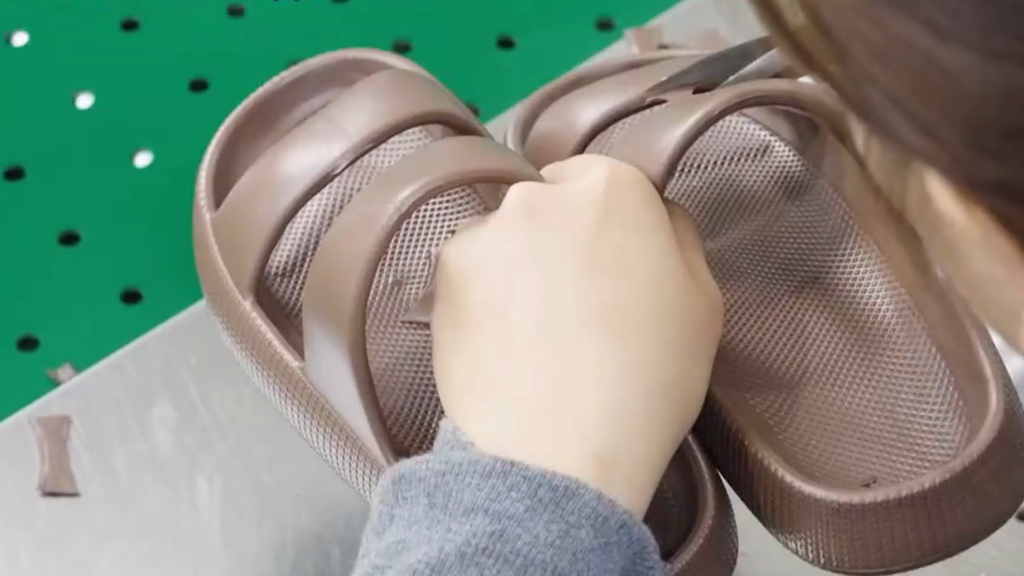
Compare sandal quotations only after confirming that the suppliers are pricing the same reference, quantity split and packing plan. A lower pair price can describe a different scope when samples, tooling or other charges are treated separately.
The quote-scope matrix helps you record included work, excluded charges and open requirements without inventing prices or declaring a winner prematurely.
Direct answer: Request sandal quotations against one agreed specification, then compare the pair price, size and colour quantities, packing, sample work and tooling on the same scope. Keep excluded charges and unresolved requirements visible before selecting a proposal.
Make the compared sandal references equivalent
Style, materials and included work must match before a sandal price comparison means anything. An existing sole and a private mold are different proposals, even when the photographs look similar. Use this scope comparison matrix; “Pending” means the supplier has not filled the quotation field.
| Scope option | Use and trade-off | Supplier A | Supplier B | Evidence before selection |
|---|---|---|---|---|
| Same sandal reference | Existing style versus changed upper or sole; redesign may add work | Pending | Pending | Match reference photos and revision; resolve substitutions |
| Same materials | Compare component composition; different materials change the offer | Pending | Pending | List upper, footbed and outsole; approve a matching sample |
| Same quantity and sizes | Compare the complete assortment, not one size | Pending | Pending | Attach style/color/size quantities; reconcile totals |
| Same packout | Loose packing versus retail presentation changes included work | Pending | Pending | Attach packaging specification; obtain revised scope |
| Pair, sample and tooling charges | Separate recurring purchase from development costs | Pair / sample / tooling amounts: pending; currency: pending; delivery scope: pending | Pair / sample / tooling amounts: pending; currency: pending; delivery scope: pending | Record each charge, quoted currency and included delivery costs; request missing prices or exclusions |
A matching sample establishes the comparison reference, not acceptance of a future shipment. If sampling inspection is required, agree its scope separately; ISO 2859-1 is a sampling inspection reference, not evidence of this supplier’s certification.
Suntop’s reference bulk production lead time is about 35–60 days after specification, sample approval, material assumptions, packaging and the production slot are confirmed. This production range excludes shipping; confirm transit and arrival timing separately for the specific order. Shortlist a quotation only after its order-specific delivery schedule names the same approval milestones; a sample date and a shipment date are different checkpoints.
Compare the quoted quantity and size split
A quantity sheet showing every style, color and size is the evidence that two suppliers priced the same order. A total pair count hides missing sizes or a different color allocation. The risk is buying the wrong retail assortment. A lower pair price for a changed assortment needs a revised quotation before it enters the shortlist.
Suntop’s reference MOQ for sandals is 2,000 pairs, with the style, material, color, size ratio and packaging split to be confirmed in the RFQ. Treat that reference as an order input, not proof that every size or color may be combined without review.
- Does the supplier’s size-by-color breakdown match your sheet? Compare every line and total; return omitted sizes for correction before sample approval.
- Which quantities does the stated pair price cover? Obtain the written pricing basis for the complete assortment, rather than applying a single-size price to mixed production.
- Can the quoted sole and upper support the requested size run? Ask for the matching sample sizes or dimensional references, then resolve fit differences before approving the specification.
- Does a quantity change alter the quotation? Keep the original and revised scope sheets together so purchasing does not approve a price against an obsolete assortment.
Suntop’s Customization page helps identify which upper, sole or branding changes belong in that shared specification. For broader comparison context, SourceReady’s supplier quote guide treats a quotation as more than a unit price; use the actual supplier reply to settle your own order scope.
Product route
Use the related product or solution page to confirm fit, available options, and the RFQ path before asking for a quote.
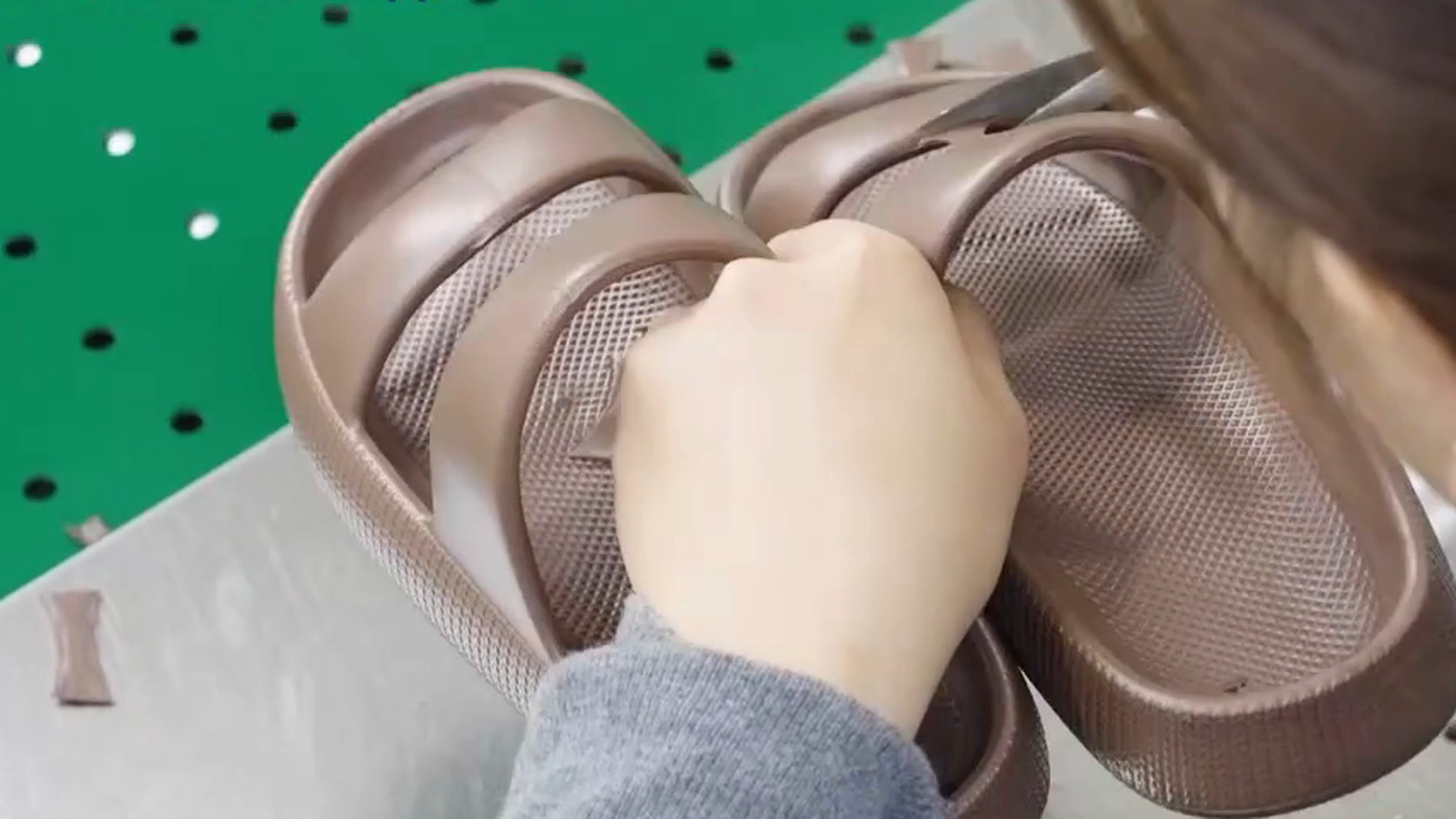
Separate sample and tooling scope from pair scope
A pair price is comparable only when sample development and tooling charges are identified separately. An existing-style quote may exclude the work needed to match a new upper or sole. Keep the development proposal beside the production quotation so purchasing does not mistake one for the other.
List the proposed sample work
Suntop’s custom sample reference timing is about 20 days. Suntop’s reference sample fee is USD 200 per project. Both are planning references; confirm the requested sample work in the quotation. List the style revision, size, material, color and logo method, then identify which details the sample will demonstrate. An appearance sample does not settle an untested performance requirement. Record approval or required changes against its revision.
Ask which mold or development work is included
Suntop offers private mold development. Request an itemized mold proposal identifying the covered parts and sizes, ownership terms and approval sample. A tooling payment alone does not approve the sandal specification. Resolve differences between the signed sample and the mold proposal before bulk production approval.
The manufacturing scope on Suntop’s Home page provides context for the supplier discussion; attach the exact sandal reference and the development items requiring a quotation.
Compare packing and document assumptions
A packout sample and a written document list reveal what each quotation actually includes. Price differences may reflect a shoebox, hangtag or carton-mark change rather than a cheaper sandal. Keep unpriced document requests open instead of counting them as included services.
Record the agreed retail pack
Suntop offers packaging customization. Specify each pair’s presentation, artwork revision and carton assortment. Approve a packed sample with the size label visible; wrong labels or mixed carton contents can create receiving and retail handling problems. Attach that approval to the revised quotation so packaging is compared against the same reference.
Identify requested evidence and unconfirmed charges
List the evidence your destination market or sales channel requires, its product scope and who must supply it. Ask the supplier to identify available documents, proposed extra work and quoted fees. A named standard does not establish that this sandal has passed a test. Keep missing reports marked unconfirmed until the relevant document is supplied and assessed.
Use Suntop’s About page for company context, then evaluate the actual sample and documents separately before supplier selection.
Choose the next clarification using a scope matrix
At shortlist review, the scope matrix should show which offer is comparable, which needs clarification and which fails a required condition. Use evidence status rather than a guessed numerical score. A cheap quotation with unresolved material or sample scope stays open.
- Style and material match: check the revised specification and matching sample. A substituted outsole is a risk signal; request a corrected proposal or assess it as a separate option.
- Quantity and MOQ: verify the supplier’s written acceptance of the exact assortment. A price with no quantity basis stays unconfirmed; obtain a complete size-by-color quotation.
- Quality approval: inspect the sample revision and agreed acceptance points. A generic product photo is weak proof; require the proposed approval sample before committing to production.
- Development and packout: reconcile sample, mold and packaging charges. A missing fee remains pending; request an itemized scope so it does not become a later dispute.
- Delivery and communication: compare the schedule’s start conditions with the quotation revision. Conflicting replies need one consolidated written confirmation before supplier selection.
Mark each criterion matched, open or unsuitable for your program. Shortlist only offers whose essential scope is settled; a supplier with open items receives a focused clarification request first. Review Suntop’s Products range to locate the sandal reference being compared, then record any proposed upper or outsole change as a separate quotation scope.
Prepare the Next Supplier Discussion
The supplier’s consolidated reply should tie each open item to your current sandal reference. Bring that reply and the comparison matrix to the discussion. Unresolved replies risk approval of the wrong product and later cost disputes. A product range or company profile alone does not prove that the proposed construction, inspection or packout meets your program.
- Different specification revisions in one offer: the price may cover an older sole or upper. Compare revision identifiers and request one corrected quotation before shortlist approval.
- No matching approval sample: photographs leave fit, material and assembly questions open. Obtain the proposed sample and record the details accepted or requiring changes.
- “Included” with no description: sample, mold or packaging work may be misunderstood. Ask for the covered items and exclusions, then keep the written scope with the purchase record.
- Quality claims without relevant evidence: a general brochure does not resolve product-specific requirements. Request the applicable report or approval record and keep the claim unconfirmed until reviewed.
Send the unresolved rows, specification revision and sample comments together. Ask the supplier to identify what can be quoted now and what needs further development or proof; do not approve an unanswered assumption as a capability.
In conclusion
The useful shortlist contains comparable sandal proposals with clear evidence and unresolved items identified. Pair price alone does not explain material differences, assortment changes or development work. The scope matrix gives purchasing a record of what matches and what still needs a supplier answer.
Fill its pending quotation fields from written replies. Attach the current size sheet, packed sample comments and separate sample or mold proposal. Compare delivery conditions and the agreed quality approval points before selecting an offer. If a required item remains open, send that row back for clarification rather than assigning it a guessed price or capability score. Keep the accepted revision for the next sample discussion.
Frequently Asked Questions
How should material and construction differences be recorded?
Record each difference against the named component and reference revision. Upper composition, sole material and attachment details belong in the specification. A visual match leaves these variables unresolved; obtain a corresponding sample and revised quotation before treating the offers as equivalent.
Which sample and tooling costs belong in the comparison?
Include every quoted development charge needed for your selected design, shown separately from pair prices. List what the sample covers and what the mold proposal includes. Keep unquoted items pending; approval of a sample fee does not approve production or settle ownership terms.
How do size and colour splits affect quoted scope?
They define the assortment being purchased. Two equal totals may contain different size or colour allocations. Compare the supplier’s line-by-line quantities with your order sheet and request correction where they differ; do not extrapolate one size’s price to the full assortment.
How to compare sandal supplier quotes
Start with the same style, materials, quantity sheet and packout. Separate pair charges from samples and tooling, then review approval evidence and schedule conditions. Shortlist the comparable proposals; a cheaper offer with a changed specification needs a separate decision.
How do I compare quotes from different suppliers?
Give each supplier the same revision and record included, excluded and unconfirmed work. Keep quoted prices and delivery terms in their original units. Resolve missing evidence or scope in writing before selecting a supplier, so an incomplete offer does not appear cheaper by default.
RFQ handoff: Review Suntop's sandals range alongside your sandal quotation scope comparison matrix. Send the reference style, size and colour quantities, packing plan and unresolved questions through the enquiry form so the team can confirm the project scope.Send Specs for Review.
Related reading
Choosing Slipper Sole Materials: What to Compare Before Sampling
Slipper sole material comparison: Compare material candidates through intended use, construction, physical feel and evidence needed for the selected pair