
Choosing Slipper Sole Materials: What to Compare Before Sampling
Slipper sole material comparison: Compare material candidates through intended use, construction, physical feel and evidence needed for the selected pair
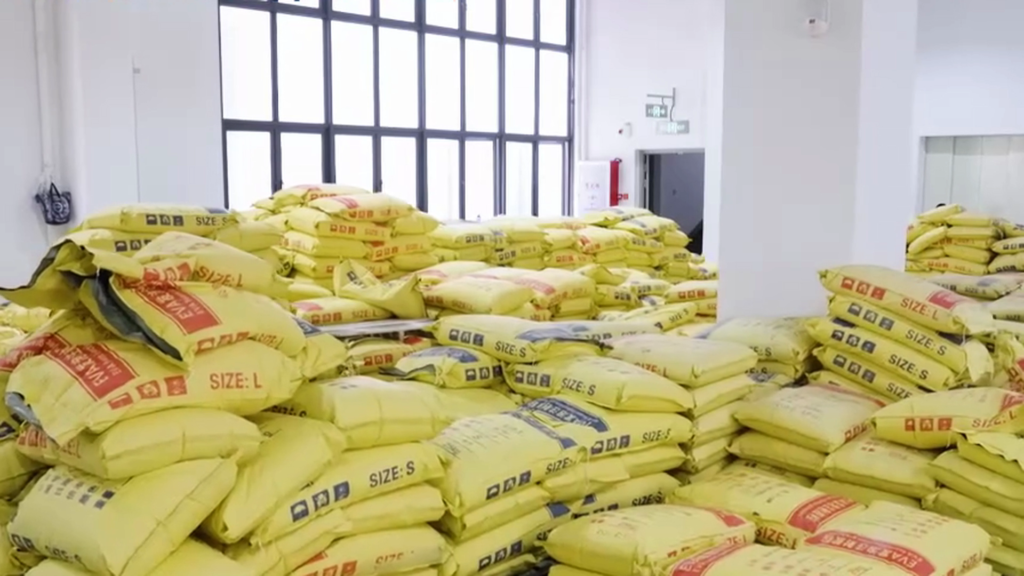
A material name does not establish how a finished slipper sole will feel or perform. Compare the proposed formulation, construction and physical sample against the intended use before approving a choice.
The sole comparison worksheet records the supplier proposal, evidence available and checks still needed, without assigning unsupported performance ratings.
Direct answer: For slipper sole material comparison, compare matched samples, documented production capability, quality records, quantity rules, and delivery assumptions on the same basis.
Use the intended slipper construction as the comparison boundary
A useful comparison holds the slipper shape and intended use steady while changing the proposed sole. Otherwise a softer sample may reflect a different thickness or construction, leaving the buyer comparing different products.
Separate the existing design from changes requiring development, since the material proposal and mold work affect the quote. Suntop lists 35–60 days as a reference bulk-production range; the order schedule needs confirmation after specifications, sample approval, material assumptions, packaging and the production slot are settled.
| Comparison option | Intended use | Trade-off | Failure to avoid | Sample check and follow-up |
|---|---|---|---|---|
| Same reference shape | Replace a sole within an agreed slipper design | Keep dimensions fixed; compare proposed materials | Price covers a different sole profile | Match the drawing and sample size; record deviations before comparing quotes |
| Changed thickness or profile | Explore a different feel | Evaluate construction and material together | Attribute the change entirely to the material name | Identify the changed dimensions on each sample; approve the preferred combination |
| Changed upper-to-sole interface | Revise the complete slipper | A sole-only comparison no longer answers the design question | Approve an outsole without the assembled upper | Compare complete pairs; resolve fit and attachment details before sample sign-off |
Keep the agreed inspection sampling plan separate from design approval: ISO 2859-1 is a sampling-inspection reference, not proof of a sample’s composition. Send the chosen construction and remaining changes together for quotation.
Separate material names from verified properties
A material declaration tied to a sample ID gives the comparison a traceable starting point. “EVA” or “rubber” alone doesn’t establish hardness, grip or durability for the proposed slipper. Suntop lists EVA, PVC, TPR, PU and rubber as materials to discuss; selection remains specific to the sampled construction.
Use these shortlisting decisions alongside the broader slipper-material comparison. That general guide doesn’t validate a supplier’s sample.
- Material identity: retain a proposal when its declared material matches a labeled sample and specification. A photo-only description risks a material mismatch in the order; hold it and obtain a written declaration before approval.
- Physical properties: compare the named property, result and measurement method. An unsupported “anti-slip” or “durable” label risks an unsubstantiated product claim; hold it until the intended-use evidence is resolved.
- Order scope: Suntop’s reference MOQ for slippers is 2,000 pairs. Record the style, color and size-run split in the quotation; an unexplained total leaves the assortment basis unsettled.
- Change control: retain proposals that identify the material revision on the sample record. A substitution described only as “equivalent” leaves approval uncertain; review the replacement before proceeding.
The Customization route connects the selected sole to the remaining product changes. Carry the sample ID and agreed material description into that discussion.
RFQ checkpoint
Review Suntop's slippers range alongside your material comparison and evidence matrix. Send the reference style, size and colour quantities, packing plan and unresolved questions through the enquiry form so the team can confirm the project scope.
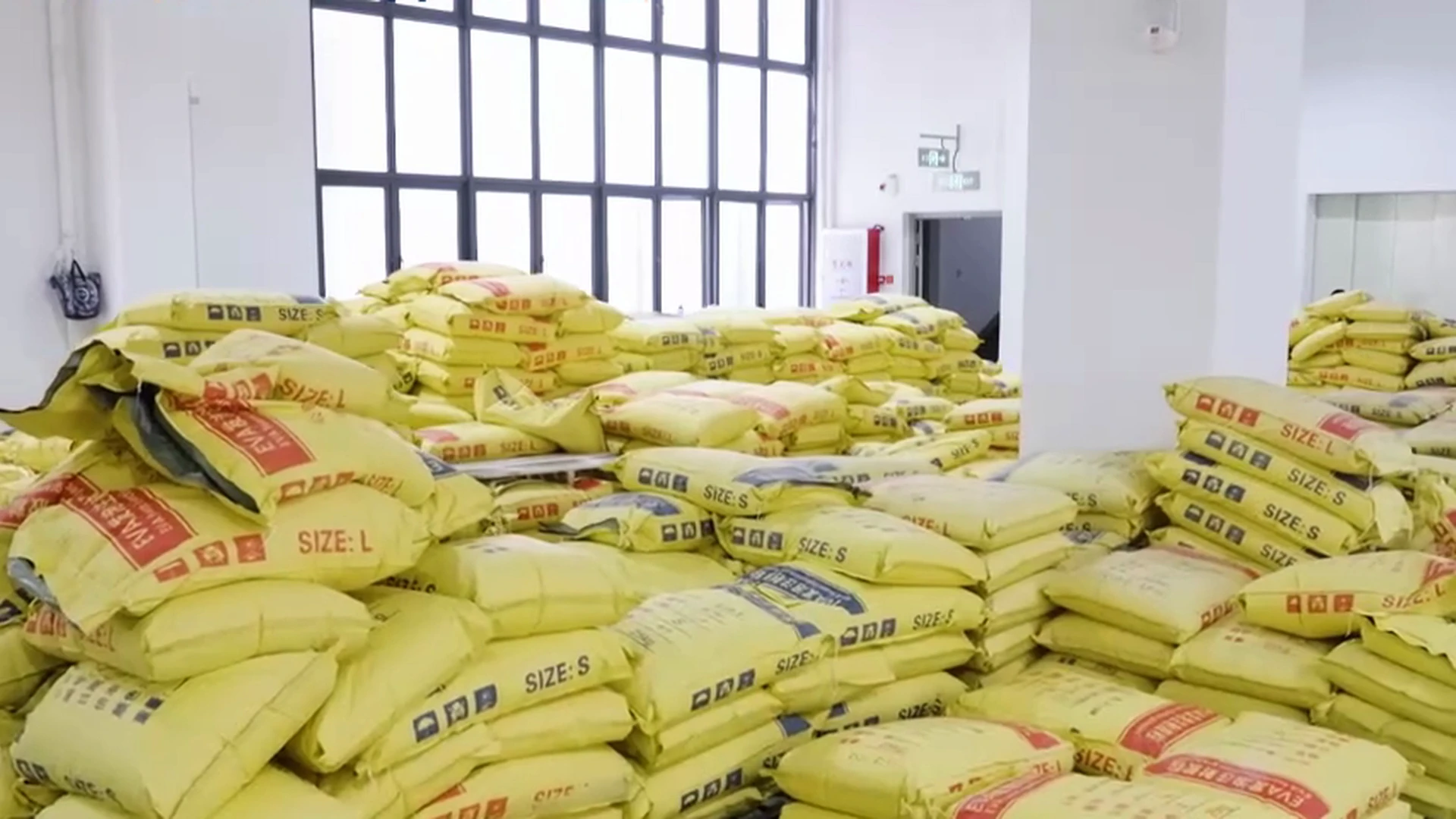
Compare physical samples under agreed conditions
A supplier sample comparison is usable when each pair has an identified construction and is judged under the same conditions. A hand-feel preference can guide selection; it doesn’t establish a grip rating or a durability result.
The factory-side approval check is whether the supplier can reproduce the identified construction from the retained reference. Hold a replacement sample with an unexplained change. These warning signs make that check concrete:
- Unmatched sample sizes: check the size labels and drawings before comparing feel. Different pairs leave material and geometry mixed together, risking approval of the wrong construction; obtain matched references.
- No agreed handling method: record how each sample is pressed, flexed and worn, including the surface used. Inconsistent handling leaves impressions hard to reproduce; repeat the comparison under the same conditions.
- An unnamed performance claim: a “non-slip” description without the proposed method, conditions and sample identity is a warning. Hold the claim rather than risk passing unsupported wording to retail customers.
- No retained approved reference: identify and keep the chosen pair with its dated approval record. A photo-only record makes later variation harder to resolve; connect the reference to the order before sign-off.
Suntop’s range includes slippers, sandals and EVA slides, introduced on the Home page. For this decision, keep the approval limited to the actual slipper sample and the observations recorded against it.
Record development and quotation implications
A quotation tied to the proposed drawing and sample revision shows what the buyer is paying for. The material option, mold route and approved appearance need separate entries; a single “custom sole” price leaves changes difficult to trace.
Ask whether the shape fits an existing mold
Compare the proposed outline and size set with the supplier’s identified mold reference. If the shape differs, record which feature needs development rather than assuming the existing route covers it. Suntop lists private mold development among its customization options. An existing mold and a newly developed shape should remain separate proposals until the supplier has matched the requested construction.
Separate material proposals from confirmed charges
Keep the unit quotation, any development charge and sample scope distinct. Identify whether color, logo and packing are included, excluded or still being quoted. This prevents a cheaper proposal being shortlisted because it omitted the sample approval work or product changes included elsewhere.
Before accepting the revised quote, compare its drawing and finish description with the retained sample; flag any mismatch for correction. For a reorder, have the supplier match the mold reference and material revision to the retained approved sample. If either changes, agree the replacement sample and quotation scope again before approval. The About page provides company context, while the written quotation must settle the charges for this particular project.
Document the material decision and remaining questions
Before sample sign-off, separate the chosen construction from every unresolved requirement. A preferred pair is ready to become a reference only when its approval record says what was accepted, what remains open and which changes would require another review.
Keep the approved physical reference
The retained pair and its dated record should point to the same revision. Photographs help locate the reference, but don’t establish its composition or replace a physical comparison. Keep acceptance narrow enough that an unresolved performance claim isn’t carried into the order by accident.
- Label the reference with the style, sample ID, revision and approval date so later inspection uses the intended pair.
- Attach the written observations and agreed appearance or feel criteria; distinguish a measured result from a personal preference.
- List each exception separately and state whether it needs a replacement sample, corrected document or further evidence before approval.
Carry unresolved requirements into the RFQ
An open item needs a named answer rather than a general “please confirm.” For example, a sole described only as “rubber” needs its material declaration tied to the sample; a grip claim needs evidence for the proposed conditions. Mark both pending so the quotation doesn’t imply acceptance.
Send the reference record and open-item list together. When the response arrives, compare it with the approved revision and close only the items actually answered. This gives the buyer a clear stop point if the proposed order differs from the sample.
Prepare the Next Supplier Discussion
A supplier response marked against the open-item list is more useful than a broad assurance that the material is suitable. Suntop offers OEM/ODM and private-label customization; the discussion still needs to establish what the proposed slipper program includes.
- Which parts of this proposal are accepted, pending or alternatives? A marked-up response prevents a provisional suggestion being treated as approval. Match each answer to the sample revision, then shortlist the proposal only within its answered scope.
- Who will resolve a difference between the sample and quotation? A named supplier contact and written correction route reduce the risk of conflicting instructions. Agree who can authorize a replacement before further development.
- How will a proposed material substitution reach us? A dated change notice should identify the replacement and the evidence needed for another review. An unexplained “same quality” answer leaves order variation unresolved; retain approval until the change is evaluated.
- What remains to be provided before the order is accepted? Seek a list of missing documents, sample approvals and buyer decisions. Use that list to distinguish a quote-ready proposal from one still needing development.
Keep the supplier’s answers with the comparison record. The shortlist should show the accepted scope and unresolved risks, so the next discussion can settle an actual decision.
For slipper sole material, use Products to align the product baseline, sample evidence, packing record, and quote owner before order release.
In conclusion
The shortlist should favor a complete, traceable proposal over a material name with attractive promises. Use the construction comparison to establish whether the options are comparable, then carry the declared material, physical reference and open evidence into sample approval. A preference for one pair is useful; the record must still show what it covers.
Choose the proposal whose remaining questions can be resolved before the order, and hold alternatives with unexplained substitutions or missing proof. Send the selected reference and the supplier’s marked-up answers together for the next discussion. That handoff keeps the approved choice visible without turning unknown properties into product claims.
Frequently Asked Questions
Can sole material be identified from a product photo?
A product photo alone doesn’t establish sole composition. It can show the proposed shape and appearance, but the material description needs a written declaration tied to the sample. Treat a visual guess as unconfirmed when comparing suppliers.
How should intended use affect the material brief?
Intended use should define the conditions the sample needs to address. Name the expected surfaces and whether use is indoors or includes outdoor conditions. Any grip or durability requirement then needs evidence for that construction rather than a general material label.
Which feel properties need a physical sample?
Softness under pressure, flexibility and the feel of the assembled slipper need a physical comparison. Record the handling method and sample identity. A subjective preference helps choose a reference; it isn’t a measured hardness value or a performance test.
How can different supplier proposals be compared fairly?
Compare proposals against the same drawing, size and intended-use brief. Mark differences in construction, material description and included development work separately. If one sample changes several features, judge the whole proposal rather than attributing its feel or price to the material alone.
How to specify slipper sole feel
Use an identified reference pair and plain observations such as firmer or more flexible relative to that pair. Add a measurement method and agreed acceptance criterion when a numerical property matters. The supplier’s sample approval record should distinguish those results from descriptive preferences.
RFQ handoff: Review Suntop's slippers range alongside your material comparison and evidence matrix. Send the reference style, size and colour quantities, packing plan and unresolved questions through the enquiry form so the team can confirm the project scope.Send Specs for Review.
Related reading
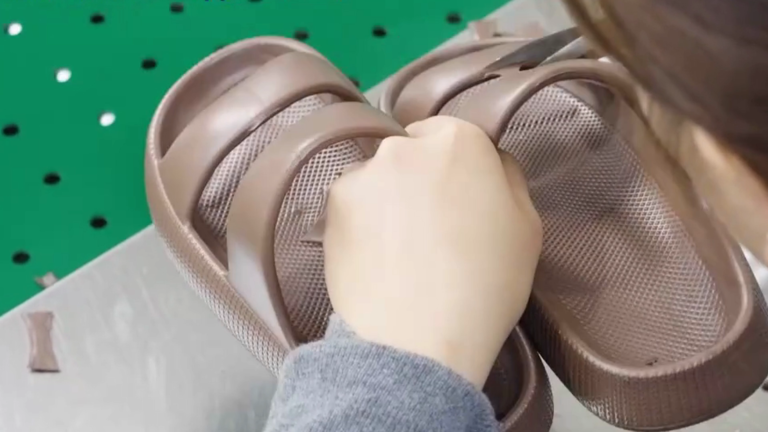
Comparing Sandal Supplier Quotes: What Must Match Before You Choose
Compare sandal supplier quotes on the same style, quantities and packing. Record sample and tooling charges, exclusions and approval requirements.