
Slipper Sourcing for Brand Buyers: Range and Sample Planning
Slipper sourcing guide: Plan style references, material questions, size and colour mixes, samples and order inputs for a slipper collection
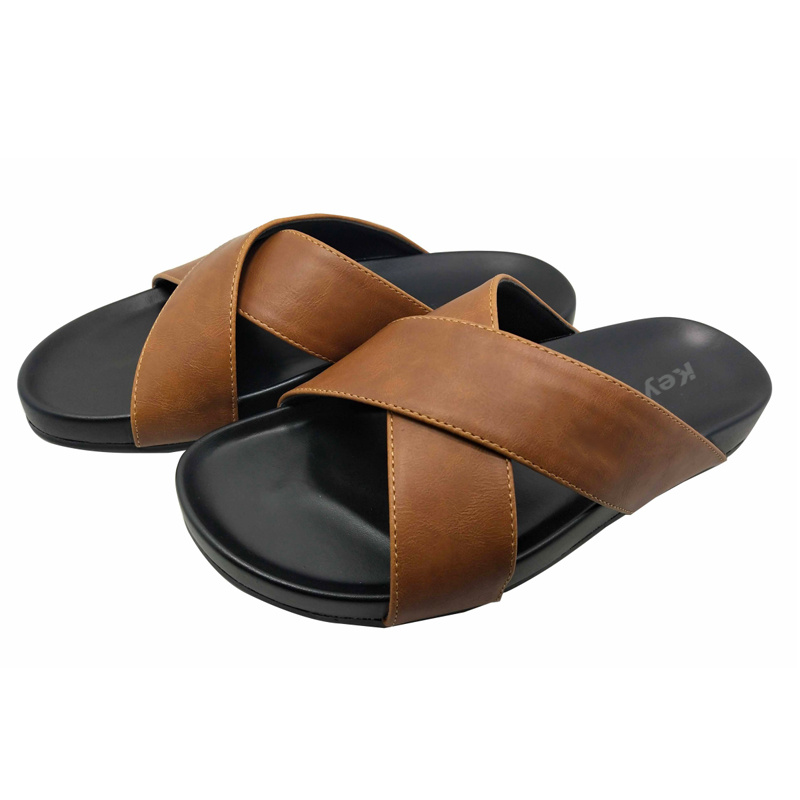
A slipper collection is easier to source when its styles, intended use, size mix and packing are defined before suppliers quote. Product photographs alone leave important material and construction details open.
Use the range worksheet to connect each style reference with the questions that must be resolved through a specification and physical sample.
Direct answer: Start with the visible upper shape and intended collection role, then compare the selected reference against a written specification and a physical sample. Keep style, size and colour quantities separate when preparing the supplier enquiry.
Define the slipper range before asking for prices
Intended use, visible upper arrangement and heel coverage define the first selection. Here, a range means the chosen style references, quantity mix and unresolved specifications carried into one quote. Suntop’s Products overview separates slippers, sandals and slides; its slipper references show crossed straps, twin buckle straps and forefoot bands with open heels.
The selection below is a design comparison, not approval of material or performance:
| Requirement | Factory control | Evidence to verify | Order risk | RFQ follow-up |
|---|---|---|---|---|
| Indoor collection concept | Propose the crossed-strap or twin-buckle upper | Open heel and strap layout in the reference; fit on the sample | Assuming visible buckles prove adjustability | Approve fastening and size coverage separately |
| Band-led retail design | Identify the selected forefoot band and artwork | Plush-look or rainbow appearance; proposed material and logo position | Treating texture as proof of warmth or composition | Review the construction and brand sample before pricing changes |
| Outdoor use or rear retention required | State the required sole performance and heel coverage | These slipper photos show open heels; no model test results are supplied | Selecting an appearance as proof of use suitability | Hold selection pending a suitable structure and accepted test plan |
If rear coverage is essential, an open-heel reference leaves that requirement unmet at the design stage. Revisit the family choice before sample work. Any proposed inspection standard also needs its text, edition and applicability checked through the publisher’s record; the link does not establish a product test result.
Compare what the photographs leave open
Choose an open-heel strap or band reference when its visible arrangement fits the collection concept. If rear coverage is a requirement, that reference needs a different structure before it can enter the shortlist. Suntop’s photographs support this shape comparison; they leave model materials, dimensions and hardness unresolved.
| Reference | Buying purpose | Trade-off | Risk to avoid | Evidence before selection |
|---|---|---|---|---|
| Product photograph | Compare crossed straps, buckles or a forefoot band | Shows layout; not composition or fastening operation | Assuming a plush look proves the material | Match the proposed upper to the selected reference |
| Dimension record | Compare the proposed size geometry | Requires shared measuring points | Treating matching size labels as matching fit | Marked length and width lines on the same sample size |
| Physical sample | Review fit and any proposed fastening | Only represents the reviewed sizes and revision | Extending one sample verdict across the run | Record the wearer review, operation and size coverage |
For the dimension comparison, mark an agreed heel reference, toe edge and forefoot width line on a drawing of the sample. Record its size label, measuring points and results together; use that same basis for the alternative. This is a buyer’s comparison record, not a sizing standard or a substitute for fit review.
A hardness requirement needs the proposed test component, method, scale and acceptance value agreed with the factory or test provider. No model target or test result is available here. Keep that approval open rather than turning a tactile impression into a numerical specification. A quote for a changed upper or fastening should separate development and sample costs from the pair price.
Shoemakers Academy’s The Designers Shoe Specification Drawings describes upper and outsole drawings, part details and reference photos used to communicate a proposed design. That source supports the document-preparation context only. The comparison here is proposed buyer guidance; it does not report a wear test or laboratory measurement. Suntop’s Products provides the design references for the comparison.
Product route
Use the related product or solution page to confirm fit, available options, and the RFQ path before asking for a quote.
Build the style, colour and size split
A quantity sheet with one line for each style, colour and size makes the proposed range clear. The total pairs alone leave room for a different assortment to be quoted or packed. Tie each line to the selected reference before asking the factory to accept the split.
Record pairs per combination
List the style identifier, colour reference, size label and proposed pair count. Add a subtotal for each style and reconcile the rows with the order total. A blank quantity needs an answer; a zero means that combination is excluded. Keep those meanings distinct to avoid filling an unwanted size by assumption.
Clarify the scope of the starting minimum
Suntop’s reference MOQ for slippers, sandals and EVA slides is 2,000 pairs. Its final application depends on style, material, colour, size ratio and packaging. Ask for a written reply showing the accepted combinations and any separate minimums, rather than assuming the total covers every design.
The Customization route explains Suntop’s sample and mold discussion and reference order conditions. Verify each accepted row against the quotation and sample record before production approval. A mismatch risks receiving sizes or colours the buyer did not select.
Plan samples and approval records
Before sample work starts, the buyer and supplier need the same reference, proposed changes and review scope. Sampling should end with a dated approval record, not a general comment that the slipper looks good. That record protects the bulk order from unresolved fit, artwork or construction choices.
- Identify the style and component specification to be sampled.
- Mark the requested upper, sole, logo and packing changes.
- Agree which sizes and details the sample will cover.
- Return an approval decision with accepted details and open revisions.
Choose the proposed sample route
For a standard sample, Suntop gives a reference timing of about 15 days in its sampling and order conditions. Suntop’s custom sample reference is about 20 days. The reference sample fee at Suntop is USD 200 per project, prepaid as quoted. These are planning estimates; the quotation should identify the proposed work, charge and date for this request. Link the sample plan to the accepted order quantities so a small development sample is not mistaken for acceptance of the whole size run.
Record revisions before bulk approval
Keep the sample identifier, review date, marked photographs and change list together. Verify the revised upper or sole against the agreed specification and note which earlier comments are closed. An artwork change after review creates a new approval question; don’t let a previous signature cover an unseen revision. Hold the affected details until the buyer accepts the updated evidence.
The About page provides Suntop’s company background. Order approval still needs the sample and revision record for this particular slipper.
Prepare one comparable sourcing brief
Unresolved packing or construction can leave competing quotations priced on different assumptions. One dated brief gives each supplier the same basis and shows which details still need development. Keep the product reference, quantity split and sample status in that version.
Separate confirmed and open items
Mark each material, size and artwork choice as accepted or pending, with the supporting sample or document beside it. A proposed material is not an approved material. Ask the supplier to show which open items affect its price or require a revised sample. This prevents an attractive quote from silently settling a quality choice the buyer has not made.
Include packing and delivery dependencies
Suntop offers packaging customization; name the requested pair presentation, labels and carton allocation instead of leaving packing as a general line. Verify those items against a packed reference before approval.
Suntop’s reference bulk production lead time is about 35–60 days after specification, sample approval, material assumptions, packaging and the production slot are confirmed. For this order, request a milestone schedule showing outstanding approvals and proposed production completion. Keep shipment and arrival dates separate. A requested selling date should remain a buyer target until the order-specific delivery plan is agreed.
Prepare the Next Supplier Discussion
A substitute upper or an excluded size can change the proposed range even when the supplier’s reply sounds positive. Start the discussion with the selected slipper reference and the requirement that made it suitable for the collection. An alternative should be judged against that requirement before its price is compared.
Suntop offers upper, sole, logo and packaging customization. If the proposal changes the upper coverage or fastening, compare the new drawing or sample with the chosen appearance and the agreed fit-review scope. If the requested size coverage is missing, keep those quantities outside the accepted allocation. A lower-cost proposal with a missing requirement belongs on a separate scope, not on the same comparison line.
A workshop image or Suntop’s company background can help establish the overall supplier context; it does not establish a single style’s QC method or performance. Verify the proposed inspection or test evidence against the named slipper, material and revision. Where that evidence is absent, retain the model-level quality question as open. End with a revised supplier quote showing accepted choices, exclusions and the sample work required for the remaining decisions.
In conclusion
A useful slipper sourcing decision connects the selected look with an accepted construction, size allocation and sample scope. The range definition and evidence comparison help show which choices are settled and which still carry quality or order risk. A picture, a reference minimum or an attractive price leaves part of that decision unfinished on its own.
Suntop Shoes publishes this guide and supplies its company order references. The editorial review compared those records and the pictured styles with the cited public sources, separating company terms from general buying guidance. The ISO 2859 reference was checked at the public catalogue overview only; the full standard was not reviewed, and this reference establishes no Suntop certification. No individual slipper sample was physically tested for this article. For a correction or clarification about a shortlisted style, quantity split or sample requirement, use the enquiry form below and include the relevant passage and product reference.
Return to the comparison table and mark the evidence available for each shortlisted style. Send that record with the dated brief and quantity sheet for a supplier quotation or sample proposal. Verify the returned version against the same references, with unresolved material, packing and revision items still visible. Close only the decisions supported by the reviewed evidence before bulk approval; retain the accepted documents as the baseline for the order.
Frequently Asked Questions
What should a slipper range brief contain?
It should identify the intended use, selected style, proposed construction, colour references, size quantities and retail packing. Attach the latest sample decision and mark missing details. The factory’s reply should address each open item so an omitted specification does not become an assumed choice.
When should a physical sample be approved?
Approve it after reviewing the details that sample was agreed to cover. Record fit observations, component descriptions and artwork revisions against its identifier. Details not represented by the sample stay pending; production approval should not extend to unseen sizes or changed components.
Which details make supplier quotations comparable?
The same style, construction, quantity allocation, artwork and packing scope make the comparison meaningful. Compare included development work and excluded charges alongside the pair price. A lower price with an unpriced sole change is an incomplete comparison, not yet a saving.
How to source slippers for a retail collection
Start with the collection’s use and presentation requirements, shortlist suitable references, and send a common brief. Then review the supplier’s proposed specifications and sample scope. Verify the packed reference and resolve approval dependencies before agreeing the order schedule; attractive photographs alone leave those decisions open.
Can a catalogue image confirm hardness or fit?
No. Suntop’s pictured references do not supply those model-level specifications. A material description, agreed hardness measurement method where relevant, and fit review on identified sample sizes provide a route to an answer. Keep the acceptance criteria written rather than treating a visual impression as test evidence.
RFQ handoff: Review Suntop's slippers range alongside your slipper range planning worksheet. Send the reference style, size and colour quantities, packing plan and unresolved questions through the enquiry form so the team can confirm the project scope.Send Specs for Review.