
Slipper Sample Approval Checklist: Upper Coverage, Size and Finish
Slipper Sample Approval Checklist: Record the agreed upper shape, fit reference, colour, logo, finish and packing decisions on the approved sample
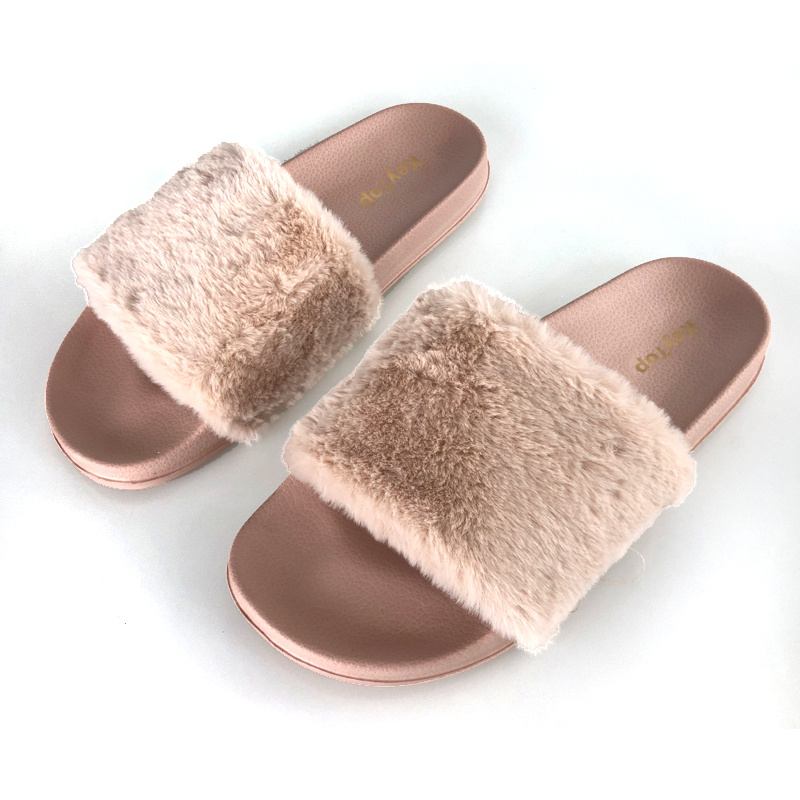
A slipper sample should be checked against the agreed reference and specification before it becomes the basis for a bulk order. A good-looking pair can still leave size, colour, logo or packing decisions unresolved.
Use the sample review record to document what was checked, what changed and which version the buyer and supplier have approved.
Direct answer: Use the approved sample as a revision-specific reference: record the visible upper design, the exact size checked, agreed colour and branding, and packing decisions. Separate untested sizes or properties from checks that were actually completed.
Check the sample against the agreed reference
A labelled reference pair and its matching specification, drawing or photograph give sample approval a clear starting point. Compare the submitted pair with that identified revision, then separate accepted appearance from unresolved construction or performance questions. A general “looks good” message leaves the supplier guessing which details may change.
- Identify the pair: photograph its label and all views alongside the dated reference. A wrong revision can carry unwanted details into production. If the sample or reference version is unclear, hold approval and obtain a matching identifier before reviewing differences.
- Mark visible deviations: note the upper arrangement, heel opening and sole outline on the photograph. Record side-by-side visual comparison as the verification method. The selected reference is the appearance approval standard; send an annotated revision request wherever the shapes differ.
- Define the approval boundary: list what was observed and what still needs a physical comparison, agreed measurement or supporting report.
ISO’s public overview identifies ISO 9001 as a quality-management-system standard. That system-level reference does not establish Suntop certification or test results for this pair. Keep the reference pair identifiable for the production discussion. If a later sample changes, attach its own revision and reopen the affected checks rather than carrying over the previous approval.
Review upper coverage and assembled fit
Approve the upper arrangement against the chosen reference, but base a fit decision on the assembled physical pair in the intended size. For a design with crossing straps or buckles, record their position and the intended heel opening. Photographs help compare appearance; they don’t establish fit, material or comfort. For each claim or requirement, note who provides it, the proof and the risk of accepting a mismatch.
- For coverage, the buyer supplies the selected reference photograph and the supplier supplies matching views of the sample. Compare strap positions, toe opening and heel opening. Mark an unwanted change on the image and return that part for revision before approving the appearance.
- For fit, attach the buyer’s size chart or identified reference pair. Ask both parties to mark the heel and toe endpoints, plus the forefoot width line, on the same drawing. Label each reading as outsole size or usable footbed space; do not compare one with the other. Record the sample size, unit, tool, support and loading condition, and strap or buckle setting so a repeat check uses the same basis. The supplier should return the marked drawing and readings for the identified assembled pair. If the reference uses different points or conditions, resolve that mismatch first. Agree acceptance limits separately; this checklist sets no tolerance or shoe-size range.
- For sample changes, request a revised pair from the supplier and a note identifying the changed upper or sole. Check the assembled pair again where the change affects the fit comparison; retain the earlier observation only for unchanged details.
Use Customization to connect the marked upper changes with the sample-development discussion. Keep an unresolved fit check visible in the approval record.
Product route
Use the related product or solution page to confirm fit, available options, and the RFQ path before asking for a quote.
Review colour, logo and surface finish
The physical colour reference and approved artwork should travel with the sample, so the approval records more than a screen image. Suntop offers Pantone colour and logo customization. A method name doesn’t establish the finish on your selected pair. Note each warning, why it matters and the check needed to settle it.
- Colour accepted from a photograph alone: compare the physical reference and sample under the agreed viewing conditions. An unexplained mismatch risks accepting the wrong collection colour. Record the comparison and hold colour approval until the acceptance basis is agreed.
- Logo without an artwork revision: match the mark, placement and orientation to the approved file and annotated sample view. A wrong logo position affects branded presentation; return the marked difference to the supplier for a revised proof.
- Uneven or unclear surface finish: mark the affected area on close photographs and describe what you observed on the pair. Let the physical finish reference define acceptance; request another sample where the defect remains unresolved.
The Products overview helps keep the selected product family identifiable when the same artwork is discussed across a collection.
Record the sole and packing questions still open
An attractive upper can hide unresolved sole and packing decisions. Keep these items outside the signed approval scope until their specification and evidence match the selected pair. That prevents an appearance approval from becoming permission for an unexplained material substitution.
Confirm the proposed material
TradeAider’s shoe QC guide separates sole material checks from assembly checks such as bonding. Enter the supplier’s declared sole material beside the sample identifier, with any requested dimensions and the agreed way to measure them. A photographed sole outline doesn’t prove composition, hardness or grip. If your intended use needs performance evidence, record the required test method, model and acceptance criteria as open items; no numerical limit is established by this checklist. Hold that requirement until the supporting result is reviewed.
Check the agreed retail presentation
TradeAider lists wrong size marks, barcode errors and crushed boxes among packaging defects. Review the physical pack or dated artwork against the intended size label, logo, barcode information and carton marks. Record which packaging components were supplied and which remain unreviewed. A signed upper sample should not silently approve missing packaging. Return mismatches with an annotated proof and keep packing approval open until the revised version is identified.
Use About to check the factory identity behind the proposal; evaluate any model-specific report separately.
Create a usable sample approval record
Before a sample decision reaches the production discussion, put its result into a dated record that another person can follow. The record should show the exact pair reviewed, the evidence used and the boundary of the decision. Silence on an unchecked item is not approval.
State approved and unresolved items
- Name the check and its reference: upper arrangement, assembled fit, colour, logo, sole or packing. Add the observed result and a photograph, measurement sheet or artwork revision where applicable.
- Choose a clear status for each entry: accepted within stated scope, revision required, or not yet reviewed. For an open entry, name the person responsible and the evidence needed to close it.
- Add the reviewer’s name and decision date. Record any limitation, such as appearance reviewed but fit acceptance still open, so an unresolved risk does not disappear from the handoff.
Copy this blank register into the buyer’s approval file. The row labels suggest checks; a dash marks an unfilled field, not a result or decision. No sample findings or signatures are supplied.
| Approval object / sample ID | Reference / version | Method / conditions | Evidence file / reading | Decision / scope | Reviewer / date | Open item / owner |
|---|---|---|---|---|---|---|
| Upper coverage and assembled fit | — | — | — | — | — | — |
| Colour, logo and finish | — | — | — | — | — | — |
| Sole material and construction | — | — | — | — | — | — |
| Packing and labels | — | — | — | — | — | — |
Complete a row only from the identified sample and its evidence. A blank result or unsigned decision is still open; name the missing document, comparison or revised sample and the person who will supply it.
Identify the version used for bulk production
Record the selected sample ID, artwork revision and approved changes together. Have the supplier acknowledge that identified version before the production decision; a substitute pair needs its own review. Retain superseded versions as history and mark them as withdrawn.
Suntop’s supplied project terms state a reference minimum of 2,000 pairs for slippers, with the final quantity depending on style, material, colour, size ratio and packaging. Sample sign-off does not settle that order basis; keep the order-specific quote with the proposed quantity split. Send the record through the Customization discussion with the proposed assortment attached.
Prepare the Next Supplier Discussion
A supplier reply marked against your approval record gives the next discussion a concrete agenda. Suntop supports OEM/ODM, upper and sole customization. Match that service scope to the changes in your record; it does not establish a test result or a quality-control programme for the selected pair.
- Who will close each open item? Ask for the responsible person and the document or revised sample they will supply. An unassigned fit or packing question can delay the decision; put the named owner and expected evidence beside that entry.
- Which proposed change requires another physical sample? Compare the supplier’s answer with your marked upper, sole and logo artwork revisions. Record the agreed review boundary before accepting a substitute, so a changed construction doesn’t inherit approval from a different pair.
- Which report supports this particular requirement? Request the sample or model identity, method and result scope where testing is needed. A general assurance leaves the requirement unproven; keep it open if the proof describes another product.
Resolve the entries one by one. Move the selected pair forward only with a documented decision on the remaining risks and an acknowledgement of the version being discussed.
In conclusion
A usable approval record identifies the sample and reference version, the scope accepted and every open check. Send it with annotated photographs for the supplier’s reply; carry the agreed material, artwork and packing revisions into the quote. Hold affected items when a revision needs another sample or report, so an appearance decision doesn’t authorize an unreviewed substitution.
Source check, 15 October 2026: the cited public pages were compared with Suntop’s supplied project information. Suntop publishes this article. Supplier-provided order terms and options remain distinct from ISO’s QMS overview and TradeAider’s general inspection guidance. This review involved no model-specific measurements or tests; sample values and acceptance limits remain to be agreed and evidenced. For corrections, use the contact link below with the article title, disputed statement and supporting document.
Frequently Asked Questions
What should be checked first on a shoe sample?
Start with the sample identity and the reference revision it was made against. Photograph the pair and label before marking differences. If the identity is uncertain, pause the comparison so a decision on the wrong pair doesn’t enter the production file.
What size reference should accompany approval?
Attach the intended size chart or an identified physical reference pair, together with the agreed comparison method. Record the assembled sample size actually reviewed. Leave the size acceptance open when its measurement basis or permitted tolerance has not been agreed.
How should colour and finish changes be recorded?
Keep the dated colour reference, artwork revision and annotated photographs with the decision. Describe the observed change and the area affected. Separate visual acceptance from any performance test still required; a photograph doesn’t establish colour durability or material properties.
What happens when a sample needs revision?
Return a marked revision list and retain the previous pair’s identity. The supplier’s next submission should identify what changed. Review the affected checks again and record which earlier decisions remain applicable; don’t sign a replacement pair from its description alone.
Which approvals should accompany the bulk specification?
Include the identified sample, accepted artwork and packing versions, reviewed size basis and all unresolved items. Keep retail packaging and master-carton decisions distinct. Each approval should name its reviewer and scope; missing test evidence stays open rather than becoming an implied production clearance.
RFQ handoff: Review Suntop's slippers range alongside your annotated sample approval record. Send the reference style, size and colour quantities, packing plan and unresolved questions through the enquiry form so the team can confirm the project scope.Send Specs for Review.