
How to Prepare a Slipper RFQ Without Leaving Fit and Packing Open
Slipper RFQ checklist: Build a quote-ready slipper brief with style references, size ratios, material questions, quantities and packing instructions
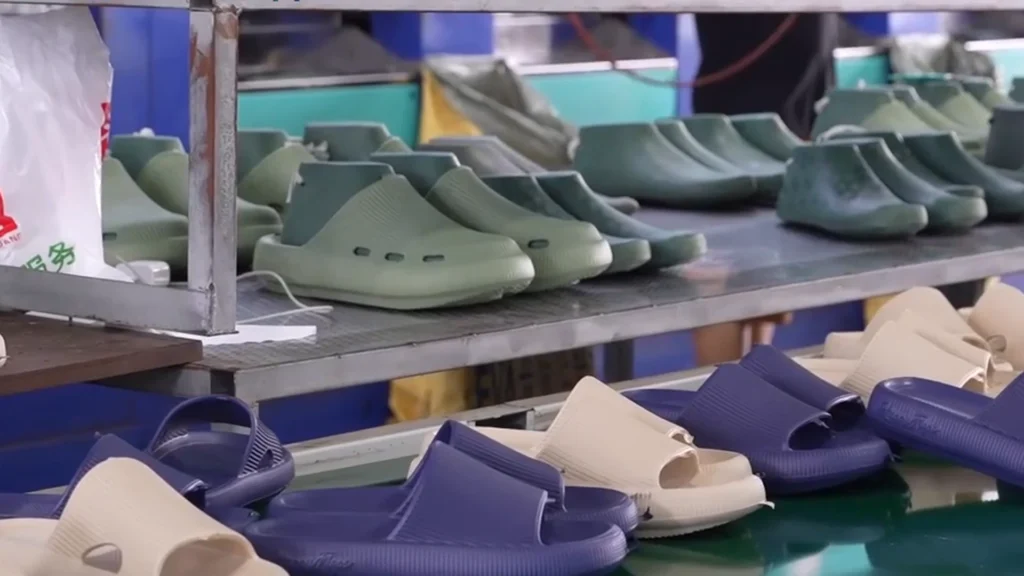
A slipper quotation depends on more than a photograph and a total pair count. Unspecified size splits, logo work or packing can leave two quotations describing different orders.
This checklist helps you prepare a consistent enquiry, separate confirmed requirements from open questions, and compare replies on the same basis.
Direct answer: For a slipper RFQ, put the reference style and revision, pairs by size and colour, proposed materials and packing, and unresolved questions in the same quote input record. You can contact Suntop before every detail is settled; mark unknowns for discussion.
Start with a reference the supplier can identify
A labelled sample or annotated slipper photo gives the supplier a starting point. Mark which upper and sole features stay, change or remain undecided; an attractive image alone leaves the buyer exposed to the wrong upper or outsole being quoted.
The Shoemakers Academy guide to shoe specification drawings shows how drawings and reference samples can describe construction. Select the views relevant to your slipper, rather than borrowing every component from a different shoe.
- Which reference are you quoting? Name the sample or image file and its revision. Have the supplier return that identifier on the quotation, so an earlier picture is not priced by mistake.
- Which features can follow the reference? Mark the upper outline, opening and sole profile on separate views. Record the supplier’s marked-up reply before accepting a proposed substitute.
- Which changes need development? Put each requested alteration beside its location, then ask whether it changes the sample or tooling scope. Keep unanswered changes outside the confirmed quotation.
For each question, record the reply owner, date and status. A buyer-approved reference and a supplier proposal are different records; keep both available for the sample discussion.
State fit and size information separately from quantities
The fit reference describes the slipper; the size breakdown allocates the pairs. A size label alone does not settle either. Different shoe-size systems exist, so name the system as well as the printed label.
Use separate records for the sample being assessed and the order being priced:
| Requirement | Factory control | Evidence to verify | Order risk | RFQ follow-up |
|---|---|---|---|---|
| Fit reference | Match the proposed sample to the buyer’s named reference. | Sample ID, labelled size and buyer fit comments. | The same label may describe a different fit. | Name the buyer who will approve the sample. |
| Measurement basis | Propose the object, heel/toe endpoints, units and tolerances for agreement. | Annotated measurement photo and dated size sheet. | Foot length and finished-footbed length get confused. | Keep unagreed limits marked proposed. |
| Size allocation | Quote pairs for each size and colour separately. | Size breakdown whose rows sum to the order total. | A missing split changes the assortment being priced. | Purchasing checks totals and sends the current revision. |
Record the sheet version, confirmation status and responsible person beside each item. For altered sizing or upper details, attach these records to the Customization request. Approval of one reference sample does not settle every ordered size.
Product route
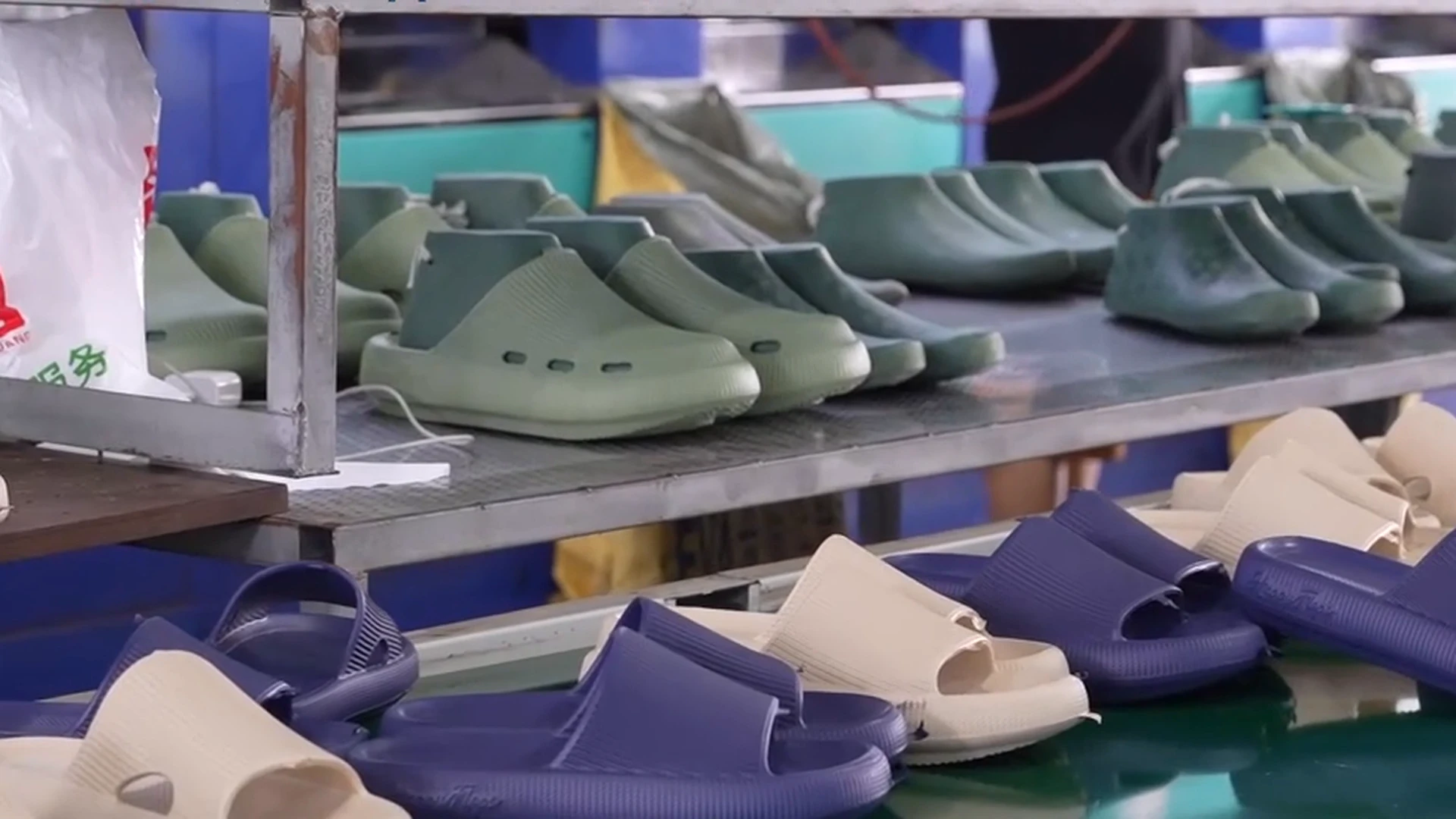
Use the related product or solution page to confirm fit, available options, and the RFQ path before asking for a quote.
Ask material and finish questions explicitly
A material proposal is useful when it identifies the slipper part and the reference it is intended to match. A photo can show the shape or finish you want; it does not establish composition.
Record the proposed composition
Separate the upper, sole and any lining or footbed in the brief, where those parts exist. For each, record the proposed material, whether it came from your specification or the supplier, and its confirmation status. If the supplier suggests a substitute, retain both descriptions until the buyer decides which sample to assess. Similar appearance is not evidence of identical composition or performance. An unmarked substitute can carry the wrong composition into sample approval.
Specify colour and logo references
Suntop offers Pantone colour and logo customization. Supply the colour reference, artwork filename and revision, intended position, and a physical colour sample if available. A screen image leaves the colour comparison uncertain. Have the proposed logo size and position marked on a drawing before approving its sample appearance.
Keep the artwork approver and outstanding colour decision beside that record. The Products page can help identify the slipper family for discussion; a range photograph should not be treated as a confirmed material specification.
Make the packing scope quotable
A packout photo, artwork revision and carton assortment sheet describe what the packing quote includes. Suntop offers packaging customization; a brief that says only “standard packing” can leave materials and labour unpriced.
- Describe each pair’s presentation: bag or box, inserts and labels, where required. Ask the supplier which items and packing work are included. Check the reply against a proposed packout image before accepting the packing price.
- List pairs per carton and the intended size/colour assortment, or mark these as awaiting a supplier proposal. Attach your receiving instructions. Wrong carton contents can create receiving delays; reconcile the carton breakdown with the order quantities.
- Identify the approved logo/label files and their revisions. Name the artwork approver and record whether the packed sample is proposed or accepted. Return any mismatch for correction before packing approval.
Suntop’s reference MOQ is 2,000 pairs. Confirm the final quantity against style, material, colour, size ratio and packaging. Its reference bulk-production lead time is 35–60 days after specification, sample approval, material assumptions, packaging and the production slot are confirmed; it is not an arrival-date promise.
The About page provides company context for the proposal. Keep the agreed packout and packing-price inclusions with the order record.
Review the RFQ for unresolved assumptions
Before sending the RFQ, prepare an exception list that separates stated quotation assumptions from decisions still awaiting a sample. Silence about an open point can be mistaken for approval.
- Freeze the reference files. List the current sample, size sheet, material proposal and packing revision together so the supplier can identify the brief being priced.
- Give each unresolved item a status, a person responsible for the answer and a reply date. Separate the supplier’s proposal from the buyer’s acceptance.
- Have the returned quote identify its assumptions and exclusions. Check each reply against the exception list; carry unanswered items forward as open, rather than marking the whole brief approved.
Assign open specification questions
For a disputed sole profile, identify the marked image and the feature needing a decision. The useful reply is a proposed drawing or sample change tied to that point. A vague “same as photo” response leaves the specification open and can send the wrong version into sampling.
State the destination and required date
Write the destination country, delivery location and required milestone: factory dispatch, port arrival or delivery to your warehouse. Ask which milestone the proposed schedule covers and which transport arrangements remain unconfirmed. A requested arrival date is not evidence that the supplier has accepted that schedule.
Suntop’s Home page introduces its slipper, sandal and EVA slide range. Identify the slipper reference and attach the exception list when starting the discussion.
Prepare the Next Supplier Discussion
The supplier’s marked-up reply gives the next discussion an agenda. Separate an answer supported by the named drawing or sample from a general “we can do it” statement; the latter leaves the actual proposal unclear.
Resolve dependencies in the slipper design before treating every comment as an independent correction. If the upper opening is changing, review the proposed opening together with the logo position on the revised drawing. Carrying the old artwork placement onto a changed shape can create another sample revision. This is a check to request, not evidence that a supplier has already completed it.
End the discussion with a defined sample task: the reference revision to follow, the feature being assessed, the person who decides, and the evidence needed to close that point. Record whether the reply keeps the quoted assumptions or requires a revised offer. An unanswered construction question should remain visible when a sample is requested; receiving a supplier proposal does not amount to buyer approval for bulk production.
In conclusion
A useful slipper brief separates the buyer’s reference, the supplier’s proposal and the decisions awaiting approval. Keeping those records distinct reduces the risk of discussing or pricing the wrong version.
Choose an appearance reference from the Slippers range and send its identifier with your brief and open questions. Ask the factory to separate material and packing price assumptions and confirm which requested changes it can develop or sample.
Published by Suntop. Company conditions here follow supplied Suntop information. Public footwear-design and packing guidance was checked for useful document fields; it does not establish model composition, testing or compliance. No slipper model was tested for this guide. Send corrections or source questions to [email protected].
Frequently Asked Questions
Can I enquire before choosing every specification?
Yes. Begin your Suntop enquiry with the reference and decisions already available, and say which details need discussion. Keep unknowns visible rather than filling them with guesses. Starting a conversation does not approve a construction, sample or final quotation.
How should pairs per size be listed?
List pairs against each intended size label and colour, then check that the rows add up to the total order. Identify the size system and sheet revision. Keep the sample used for fit assessment separate from this quantity breakdown; neither record replaces the other.
What material information should accompany a photo?
Provide the upper and sole material descriptions you know, marking unconfirmed parts as open. Identify any physical sample or swatch that the proposal should follow. If an alternative is offered, record which part changes before approving it; a photo alone does not establish composition.
What packing details affect the quotation?
Identify the pair presentation, labels, artwork version and carton assortment you require. Ask the supplier to distinguish included packing from proposed extras. Check those inclusions against a packed-sample image and your receiving instructions, so the quoted scope matches the intended packout.
How should a fixed delivery date be stated?
State the requested date, location and milestone: factory dispatch, port arrival or warehouse receipt. The supplier’s dated reply should separate production lead time from transport assumptions and identify unresolved arrangements. A production estimate alone is not an accepted arrival commitment.
quote request handoff: Use the Slippers range to identify a reference, then send it with your quote input record or open questions through the enquiry form. Include decided size/colour quantities and proposed materials and packing; missing details can remain marked for discussion. Send Specs for Review.