
Five Slipper Assortment Mistakes That Leave a Bulk Quote Incomplete
What buyers should check for slipper bulk order mistakes: material, MOQ, sample checks, and supplier questions, plus sample and order tips
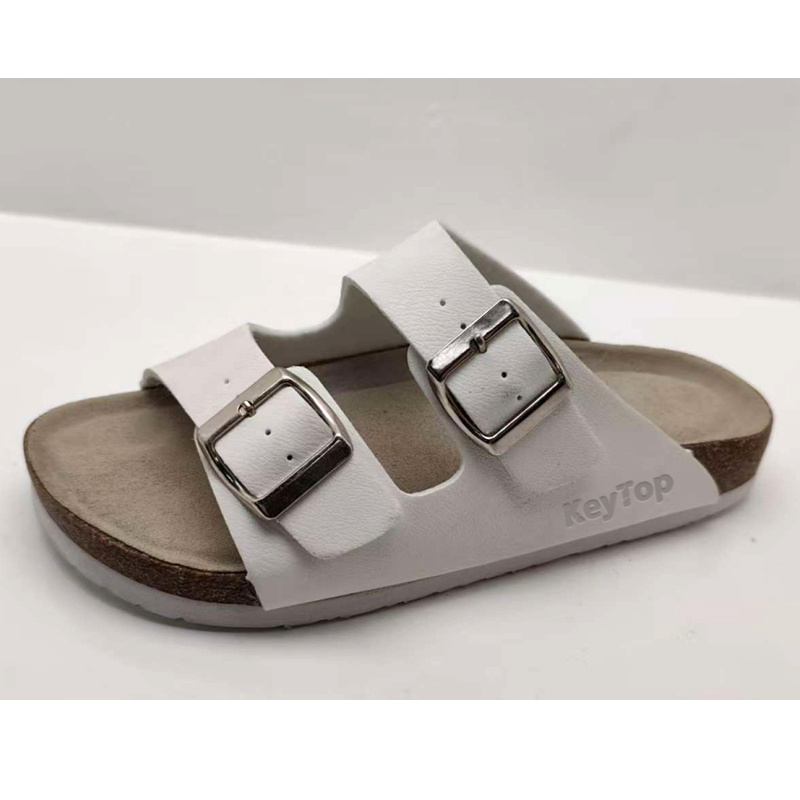
A slipper assortment can become difficult to quote when every colour and size is treated as an interchangeable part of the same order. Separate styles, quantity splits and packing requirements before asking a supplier to confirm the order scope.
These five checks help you identify assortment decisions that need clarification before sampling or a bulk quotation.
Direct answer: Check five gaps in a slipper bulk quote: missing style-colour-size quantities, an unclear minimum scope, specifications left to a photograph, unrecorded reorder changes, and packing or schedule assumptions. Mark the affected rows and request a revised quotation against the current reference. You can discuss details that are still undecided.
Mistake one: quoting a total without its combinations
The slipper assortment sheet should account for every ordered pair across style, color and size. A single total leaves the factory guessing which combinations to make. That creates a risk of a correct overall quantity arriving as the wrong retail assortment.
- Quotation shows only a grand total: the combination sheet may be missing. Compare the supplier’s breakdown with your own; request a line for every required style-color-size combination before accepting the quote.
- A quantity mismatch needs a line-by-line diagnosis. If the combination subtotal differs from the quoted total, a missing size entry or duplicated line is a possible cause. Compare the style-colour-size rows, reconcile the pair counts and replace the inconsistent sheet before accepting the quotation.
- Color names differ between documents: the same label may refer to different references. Match each color entry to the agreed sample or color reference, then correct the order lines.
- A size ratio has no stated scope: record the ratio for each proposed style-colour mix and ask which sizes and quantities it represents. A sample covering one size does not by itself show the approval status of the others; list any missing reference or approval information.
Keep the corrected assortment sheet with the sample approval record. Keep proposed quantities and open questions distinct from the supplier’s confirmed breakdown before accepting the quotation.
Mistake two: treating the starting minimum as every combination's minimum
The starting order quantity and the proposed combination split are separate decisions. Suntop’s reference minimum order quantity (MOQ) for slippers is 2,000 pairs, subject to confirmation of style, material, color, size ratio and packaging. That figure alone does not approve a mixed assortment or establish a minimum for each combination.
| Issue | Resolve before | Risk to the order | Check | Required reply |
|---|---|---|---|---|
| No split approval | Quotation acceptance | Assortment may be unavailable | Compare each order line | Supplier accepts or revises quantities |
| Shared price assumed | Budget approval | Cost may exclude variants | Match price to its scope | Separate unpriced combinations |
| New color or sole | Sample request | Development may affect schedule | Identify changed component | Quote proposed work and dependencies |
Carry unresolved rows into Customization discussions, with your requested delivery date. Obtain the order-specific lead time after the supplier reviews the split.
Product route
Use the related product or solution page to confirm fit, available options, and the RFQ path before asking for a quote.
Mistake three: using a photograph as the complete specification
A retained sample and a written component specification explain more than a product photograph. Images help identify the slipper; they do not establish its material composition or resolve the complete size run. The risk is approving appearance while the factory quotes different construction details.
The Shoe size overview describes different sizing systems. Name the system on the requested size sheet; that label reference does not establish a slipper’s fit.
- What materials are proposed for the upper, footbed and outsole? Obtain a component list tied to the sample reference; correct conflicting descriptions before approving the quote.
- Which sizes have been checked? Compare the requested size sheet with the proposed sample or dimension records so one photographed pair does not imply full size-run approval.
- What is the approved color and logo reference? Keep the physical reference and artwork revision together; request a sample showing the proposed application before accepting the finish.
- What remains untested or unresolved? Separate visible observations from performance or compliance evidence, then identify the document needed to close each open requirement.
Start with Suntop’s Products range to identify a relevant reference. Send the reference, available specification details and open questions together so the supplier can discuss the intended slipper. You can enquire while material or size information is still undecided.
Mistake four: reordering without listing changes
“Same as last time” leaves changed artwork, materials or packaging outside the order record. A repeat purchase needs a named baseline and a change list. Otherwise the supplier may reproduce the previous specification while the buyer expects the new presentation.
Identify the previous sample or style
Identify the retained slipper, previous style reference and approved revision. Compare those records with the proposed reorder specification. Missing references create a risk of the wrong construction being repeated; hold the affected order lines until the supplier confirms which baseline is being quoted.
Restate the changed artwork and packout
Suntop offers logo and packaging customization. List every changed logo file, color reference, size label and carton allocation, including items meant to stay the same. Request a revised approval sample when the change needs physical review. Suntop’s custom sample reference timing is about 20 days. Suntop’s reference sample fee is USD 200 per project; confirm whether this changed reorder needs that sample work, and agree its charge and schedule before proceeding.
The About page gives company context. Keep the dated change list and any sample approval with the returned quotation to show what this repeat order covers.
Mistake five: accepting packing and timing assumptions
A confirmed production schedule needs an explicit packing plan and approval dependencies. You can begin a schedule discussion while those inputs are still open. A requested date is a buyer’s target, not a confirmed factory delivery commitment. Leaving retail presentation open also leaves part of the production scope unsettled.
Confirm retail and carton details
State the pair presentation, labels, carton marks and size assortment in each carton. Review a packed reference against that list. Ask whether the quoted price covers every packaging item; an omitted box or label leaves its cost unresolved. Wrong size labels or an unexpected carton mix may create receiving work; resolve discrepancies before packaging approval rather than relying on a product-only sample.
As a dated buyer-specific example, Foot Locker’s May 2019 vendor manual distinguishes style/colour/size entries from a caselot size breakdown. Use that record structure to clarify your buyer’s requested packout; the manual’s quantities and packing rules do not set Suntop’s terms.
State dependencies behind the requested date
Suntop’s reference bulk production lead time is about 35–60 days after specification, sample approval, material assumptions, packaging and the production slot are confirmed. Ask for a schedule showing those milestones for your order. Keep production completion, shipment and arrival dates distinct, and identify any open artwork or sample change that could affect the plan.
Suntop’s Home page introduces its manufacturing scope. Send the proposed packing record and approval status with the enquiry so the order-specific quotation can address the remaining schedule assumptions.
Prepare the Next Supplier Discussion
Unanswered assortment details can make a supplier reply look complete while essential order lines remain unresolved. Bring a marked-up quantity sheet to the discussion, with each disputed entry linked to the relevant style, sample or artwork revision. That makes the risk visible before approval.
For every open line, identify the missing answer: accepted combination quantity, proposed material, sample coverage or packing item. Ask the factory to return a revised quotation showing what it can supply, what needs development and what remains excluded. A general “yes” should not close an item whose specification or price is still missing.
Suntop offers upper, sole, logo and packaging customization. Keep those requested changes distinct in the proposal and compare the approval sample with the accepted revision. Hold unresolved quality requirements outside production approval until the required evidence is reviewed. The final supplier discussion should end with a corrected assortment record, rather than another verbal assurance that the bulk order is understood.
In conclusion
A slipper assortment quotation becomes easier to check when its combination scope and open assumptions are visible. The combination sheet, component specification, sample record, change list and packing plan should describe the same order. A reference minimum or product photograph leaves too much open on its own.
Use the mistake checklist to mark the lines needing correction, then send the amended brief for a revised quotation. Compare its quantities and included costs with the accepted sample and packaging scope. Hold approval where a missing answer creates a risk of the wrong assortment, unapproved quality or an uncertain schedule. Close only the items supported by the returned evidence, and retain that revision for production discussion and future reorders.
You can start a Suntop enquiry with the reference and quantities you have, marking any undecided size, material, packing or schedule input as open.
Published by Suntop Shoes. Updated 15 October 2026. This revised guide combines the cited sizing and dated buyer-packing references with bounded footwear-documentation research and Suntop’s product information. The editorial revision checked quantity and reference fields, removed unrelated citations and retained unresolved questions. It reports no hands-on product tests, measured performance results or customer case outcomes.
For corrections to this guide or its product details, contact [email protected] and identify the passage concerned.
Frequently Asked Questions
Does one quoted minimum cover every combination?
Not without confirmation of the actual split. A starting quantity does not tell purchasing how it applies to each style, color or size. Obtain the supplier’s written acceptance of your assortment sheet, and keep any changed quantities with the revised quotation.
Why should colours be quantified separately?
Show each colour within its named style and size allocation so the supplier can see the combinations being proposed. A grand total can hide a missing line. Match those entries to the returned quotation and leave quantities without a clear reply open.
How can a size ratio be misunderstood?
A ratio is unclear when it does not name the sizes, their order and the style-colour group it applies to. Record that basis and the corresponding pair counts, then reconcile them with the intended subtotal. Ask which allocation the supplier used before accepting the quotation.
What should change on a repeat-order brief?
Update everything that differs from the approved baseline, including artwork, color references, sizes and packout. Identify unchanged items too. Compare the supplier’s reply against that change list so the risk of repeating an obsolete specification is visible before order approval.
Which packing omissions make quotes hard to compare?
Missing pair presentation, labels, carton marks or carton assortment can leave suppliers pricing different work. List the required items and obtain a packed reference or specification. Keep exclusions and unquoted charges separate instead of assuming they are included in the pair price.