
Slide Sandal Sourcing for Importers: Shape and Mold Choices
Slide sandal sourcing guide: Plan band design, sole shape, material questions, logo, tooling and order inputs for a branded slide range
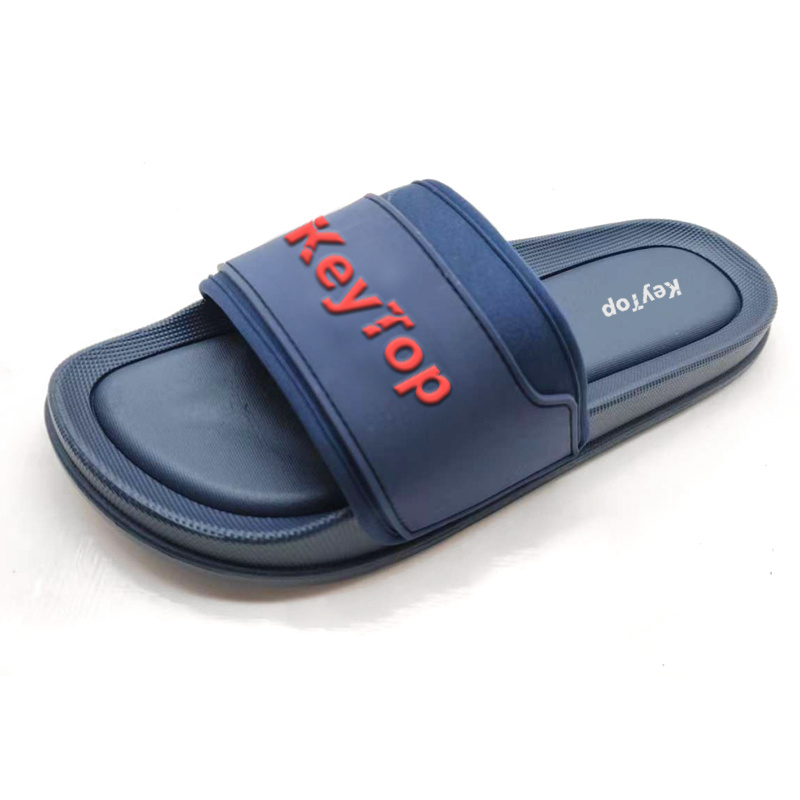
A slide sandal picture can give a brand a starting shape while leaving material, tooling and order details open. Those are separate decisions when preparing a sample or comparing quotations.
Use the band-and-sole reference to record known choices, requested changes and open questions. Start an enquiry with the details already available, then resolve the missing points before confirming the specification.
Direct answer: Start with a band-and-sole reference, mark what to keep or change, and separate the open material, mold-route and sample questions. You can enquire with the details already available; close each gap before approving the affected specification, sample or order.
Choose the slide sandal band and sole reference
The band outline and sole profile are separate choices. For a brand buyer, keeping a familiar shape calls for a different discussion from changing the design. Marking the difference gives the proposed development work a clear scope before a supplier prices an undefined redesign.
The Footwear Glossary’s slide definition identifies an open toe and back with a forefoot band. That describes the style; material is a separate specification.
| Reference choice | Collection direction | Proposal risk | Reference check | Decision before sampling |
|---|---|---|---|---|
| Retain the band outline | Keep the selected upper appearance | The wrong band outline entering the sample | Top and side views with the retained edges marked | List the requested changes outside that outline |
| Retain the sole profile | Keep the selected bottom shape | A different profile being treated as the same design | The reference outline beside the proposed sole drawing | Identify which edges and contours remain unchanged |
| Change band and sole geometry | Develop a different visual direction | Unclear development work in the quote | Annotated drawings of the intended changes | Discuss the proposed development route for those features |
A useful reference does more than say “make it similar.” It separates the shape to retain from the features to alter. The marked views let the supplier address the proposed work directly. A colour change and a new sole outline should not disappear into the same general request, even when both requests began with the same photograph.
The result is a design discussion with a visible starting point. Keep the original image beside the marked version so that a revised drawing can be compared with it. If the proposal changes a feature that was meant to stay, that difference belongs in the sample discussion before the revised design becomes the basis of the quotation.
Keep material and physical feel unconfirmed until specified
A material proposal becomes comparable when it identifies the part it describes. A band, footbed and sole may raise different questions. Treat the pictured colour or surface as an appearance reference, then put the proposed component information beside it before comparing a quote.
| Part or reference | Useful comparison | Trade-off still open | Risk if confused | Check beside the proposal |
|---|---|---|---|---|
| Band material proposal | The upper component named in the drawing | The requested appearance versus the proposed construction | Approving a surface image without settling the component | Match the part name to the material entry and sample |
| Sole and footbed proposal | The bottom components of the intended pair | The chosen shape versus the proposed material | A similar outline being mistaken for the same specification | Compare the component list with the identified physical reference |
| Physical feel reference | The pair or material reference used in the discussion | A buyer preference versus an agreed requirement | Different meanings attached to “soft” | Record the reference and the unanswered sample question |
Suntop’s lead material is EVA, and its factory also works with PVC, TPR, PU and rubber. That factory range does not identify the material of a particular photographed slide. The component list is what links a proposed material to the intended pair. The Designers Shoe Specification Drawings shows how named parts, materials and colour references accompany footwear views.
Keep the proposed material separate from the observation made on a sample. A requested feel is a discussion point, not a measured result or a claim about every pair in a range. If the supplier proposes a different component, the buyer can identify the affected reference and decide which sample question to revisit. Suntop’s Customization page sets out the available project choices.
Product route
The slides range provides appearance references. Use a band-and-sole image to describe the style you want to discuss.
Compare the existing-mold and new-mold routes
The intended sole drawing and the proposed mold route need to describe the same shape. An existing design is a starting reference; a development proposal explains which parts of that reference will change. Keep that distinction visible when discussing the sample.
Ask whether the intended shape fits
Place the selected reference beside the proposed outline and mark the differences. The useful supplier reply identifies the shape it proposes to use, rather than saying only that an existing mold is available. A change to the sole contour needs a specific response about that feature; the drawing alone does not settle the tooling route. Check that the supplier’s drawing identifies the changed feature. Otherwise, the buyer risks paying for a sample that follows the wrong shape.
Band and heel coverage also help identify the intended footwear family. If a reference includes a rear strap, the Sandals range may be the closer starting point. That keeps the product discussion tied to the pictured structure before development work is proposed.
Record what development work is proposed
The development record can distinguish a retained shape, a changed drawing and a new tooling proposal. Keep the supplier’s proposed work alongside the requested change so that later sample comments refer to the same design. A mold decision should not be inferred from the colour of the reference or from its general resemblance to another pair.
Suntop stores customer molds for both existing-mold and new-mold projects. Repeat orders using the same mold have no repeat mold fee, and repairs are arranged when a mold is repairable. Those are the known arrangements; the proposed development and quoted work still need to match the intended slide design.
Prepare branding and sample approval inputs
Before the sample discussion, the buyer needs an identifiable artwork version and a colour reference for the intended pair. The supplier can then address the actual proposal instead of treating a general brand image as approval of every visible detail.
Mark artwork and colour references
Put the artwork file name or revision beside the intended logo location. A top view can show the requested placement while a detail view identifies the part to which it belongs. Compare the proposed sample with that same version, so a revised logo is not checked against an earlier drawing.
- Identify the artwork version attached to the footwear proposal.
- Mark the intended logo position on the relevant component view.
- Keep the selected colour code or physical colour reference with the matching component.
Record the physical approval questions
An artwork preview shows a design intention. The physical sample provides the pair to compare with the agreed requirements. In the buyer’s record, keep accepted appearance separate from a requested revision or an open material question. Otherwise, a colour approval could be mistaken for approval of a changed band or sole.
- Identify the actual sample and the drawing or artwork version used for comparison.
- Record the observed difference and the specific change being requested.
- State which points are accepted and which remain open for the next sample discussion.
Suntop supports Pantone colour matching, private-label work and branded packing. Its About page introduces the Jinjiang factory and selected workshop views. Those views provide company context; the identified sample and agreed project requirements are the relevant basis for the buyer’s design review.
Complete the quantity and packing brief
An order total leaves the assortment and packing work unclear. A buyer comparing proposals needs to know which styles, colours and sizes each total represents, and which packing requirements the quote includes. Otherwise, apparently similar offers can describe different orders.
List pairs by colour and size
Put the intended pair quantities beside each style, colour and size designation. Label the size system used in the allocation so that the supplier does not have to guess what a size code means. Keep the requested sample size identifiable within the wider range. This is a record of the buyer’s intended assortment, not a size-conversion table. Check that each allocation row refers to the selected design revision before comparing it with the supplier’s proposal.
Suntop’s minimum-order guide is 2,000 pairs; the final quantity depends on style, material, colour, size ratio and packaging. The proposed assortment belongs beside that guide when discussing the order. Where a colour or size split is undecided, leave that row open rather than presenting an estimate as the agreed quantity.
Identify the packout and delivery dependencies
The packing brief identifies the retail presentation and the outer-carton requirements. Note whether hang tags, shoe boxes or other packaging form part of the request, and identify any artwork or carton marks already available. A particular retailer’s packing instructions apply to that customer’s order; they are not a universal carton rule for every slide project.
Suntop’s bulk-production guide is about 35–60 days after specifications, sample approval, materials, packaging and the production schedule are agreed. That is a production window, so the intended destination and arrival requirement belong in the enquiry as separate information. The overall factory output does not establish an individual order’s available slot.
The Home page introduces Suntop’s footwear range. The selected slide reference, assortment and packing record make this particular request specific enough to discuss without pretending every detail is already settled.
Prepare the Next Supplier Discussion
A supplier response tied to the marked slide reference is more useful than a general statement about custom production. The buyer can see whether the proposed pair, development route and open decisions still describe the same project. An unidentified revision risks sending the next sample discussion in the wrong direction.
Bring the accumulated record into the conversation, then check the reply against the actual open point:
- For a retained band or sole, the reply identifies the reference being proposed.
- For a changed shape, the response addresses the marked feature and the proposed development work.
- For an open material or packing choice, the response distinguishes the proposal from what the buyer has already accepted.
Keep that reply with the relevant drawing or sample version. It gives the importer a concrete basis for deciding what to clarify, which proposed change to review, and what can move into the next sample discussion. A catalogue photograph remains useful for appearance, while the project record carries the particular request. To request a sample quote, send the identified slide reference and the shape or material question you need that sample to resolve. Mark the points still open; the enquiry does not require a finished specification.
In conclusion
The slide sandal proposal is easier to discuss when the intended shape, proposed components and unresolved choices remain distinct. The reference map connects those choices to the sample and quotation without turning a photograph into a finished specification. It addresses the risk of a supplier quoting a different version from the one the buyer is reviewing.
Keep the selected band and sole views with the current project record. Identify the proposal that needs a response, check the revised drawing or sample against that request, and carry the decision forward under the same reference. The first enquiry can use the information at hand; confirmation of the remaining choices belongs before the affected specification or order is approved.
Frequently Asked Questions
What should a slide sourcing brief contain?
A useful brief identifies the band and sole reference, the features to retain, requested changes, proposed component materials and known order allocation. Add the current artwork, colour references and packing needs when available. Keep open points visible so the supplier can address the intended sample and quote scope without guessing.
Are all pictured slides necessarily EVA?
No. A picture does not establish the material of the illustrated pair. Suntop leads with EVA and also works with other footwear materials at factory scope. For the chosen slide, compare the proposed component list with the identified sample rather than treating the general range as a material specification.
When does the sole shape affect tooling?
The intended geometry raises the tooling question when the proposal includes a molded component. A drawing change alone does not prove that a new mold is required. Ask the supplier to identify the proposed route for the marked shape change, and keep that reply with the design reference and quoted development work.
What logo and colour information should be provided?
Provide the current logo artwork, the intended placement and the selected colour code or physical colour reference. Identify which component each reference describes. Check the proposed sample against that same artwork version; a revised logo file should not be mixed with an earlier colour or placement approval.
Which sample decisions should precede a bulk quote?
For the bulk quotation, identify the design, proposed materials, colour and size mix, branding and packing scope that the price is meant to cover. Carry the sample’s accepted points and open changes into that discussion. A first enquiry can begin with incomplete details; do not present an unresolved choice as an approved specification.
RFQ handoff: Explore Suntop’s slide references for the appearance you have in mind. Send that reference, known size and colour quantities, packing requirements and open questions to start the project discussion. Send Specs for Review.