
Existing Mold vs New Mold Slide Sandals: Which Option Fits Your Order?
Compare existing and new slide sandal mold proposals by shape fit, development inputs, sample approval, tooling charges and repeat-order terms.
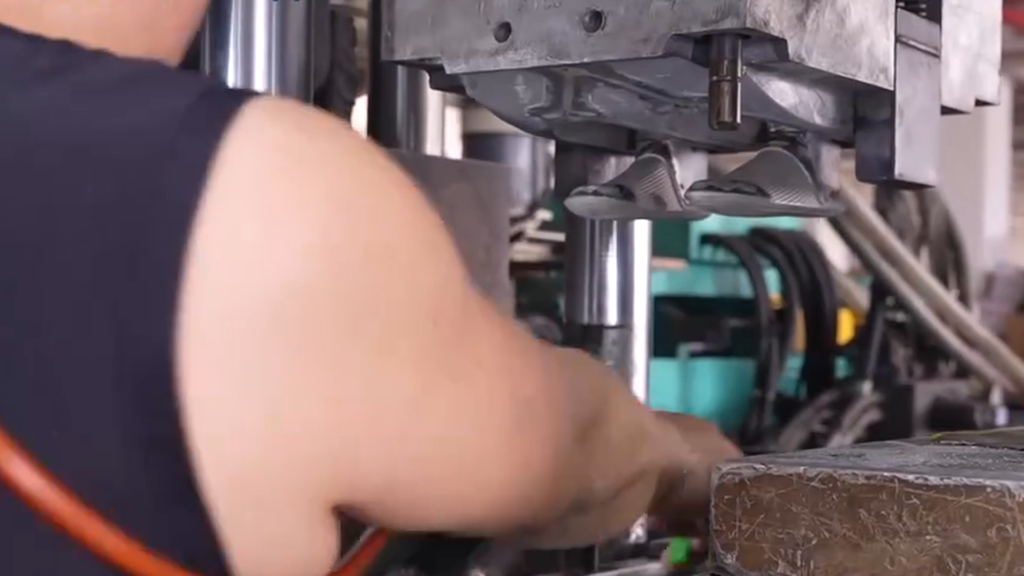
An existing slide sandal mold is useful only if its shape and size range suit the intended product. A new mold changes the project scope, so the buyer needs a separate proposal covering development, fees and custody terms.
The tooling comparison record helps you compare both routes and list the questions to resolve before authorizing mold work. You can begin the enquiry with the reference you have; a complete tech pack is optional at first contact.
Direct answer: Compare each identified existing mold with the requested slide sole shape and size range, then ask what development work, mold charges and same-mold reorder conditions each proposal covers. Start the discussion with the reference you have, and resolve the relevant scope before approving mold work.
Start with the required slide sandal shape
A dated reference pair and a dimensioned outline make the tooling choice meaningful. Compare the requested footbed, strap position and size range with an identified existing mold before paying for a new shape. A similar photograph is a starting point; it does not establish fit or material composition.
Keep two proposals open where the shape match is uncertain. One should identify the available shape and accepted differences. The other should list the features requiring development. Use the reference to answer these questions:
- Shape match: compare the outline and strap opening; reject an unexplained “same as photo” answer. Obtain the mold reference and corresponding sample, then mark the differences that need approval.
- Size coverage: establish which requested sizes the identified tool covers. A missing size leaves the assortment incomplete; obtain a size-by-size availability record before selecting the route.
The footwear specification drawing guide shows why sole views and the supporting reference belong together. For procurement, verify the proposed match by comparing the supplier-identified sample with your dated outline. Keep the size-coverage reply in the project record before selecting the mold route.
Ask what an existing mold actually fits
An existing-tool proposal is useful when its accepted differences suit the requested slide. A new shape may justify development, but neither route is settled by an appearance match alone. Put both proposals against the same reference so that an apparently simpler option does not conceal work excluded from its quote.
In a sandal designer’s account of design and development, molded components and wearable sample iterations form part of development. That context does not establish whether a particular material, logo, colour or upper change fits the tool a supplier offers. Compare the actual construction and requested changes:
| Tooling option | When to consider it | Trade-off to price | Unresolved risk | Evidence before choosing |
|---|---|---|---|---|
| Existing shape, accepted as shown | The identified pair suits the intended profile and size range. | Keep the shape boundary explicit; ask which upper, colour and packing work is included. | The reference shown may differ from the offered mold or leave a required size unavailable. | Match the mold reference to a physical sample and a size-by-size reply; approve the stated differences. |
| Existing shape with proposed changes | The buyer wants a different material, colour, logo, upper or construction. | Separate each proposed change from any work on the molded geometry. | A general “customizable” answer leaves the effect on the tool and sample unresolved. | Send marked changes and obtain the supplier’s fit assessment, revised sample scope and itemized quotation. |
| New shape or unresolved tool match | The reference requires development, or no offered tool has been shown to fit. | Compare the development work, sample approval and tooling charges against accepting an available shape. | Paying for tooling before its proposed shape and coverage are agreed can leave a different product than intended. | Identify the controlling drawing or physical pair and the development work requiring approval before mold authorization. |
Suntop’s Customization page distinguishes existing-design discussion from new-shape inputs. Use it to describe the route you want quoted, while keeping the proposed mold’s fit subject to the project reply.
Product route
Compare the slide appearance references with your required shape before discussing an existing or new mold.
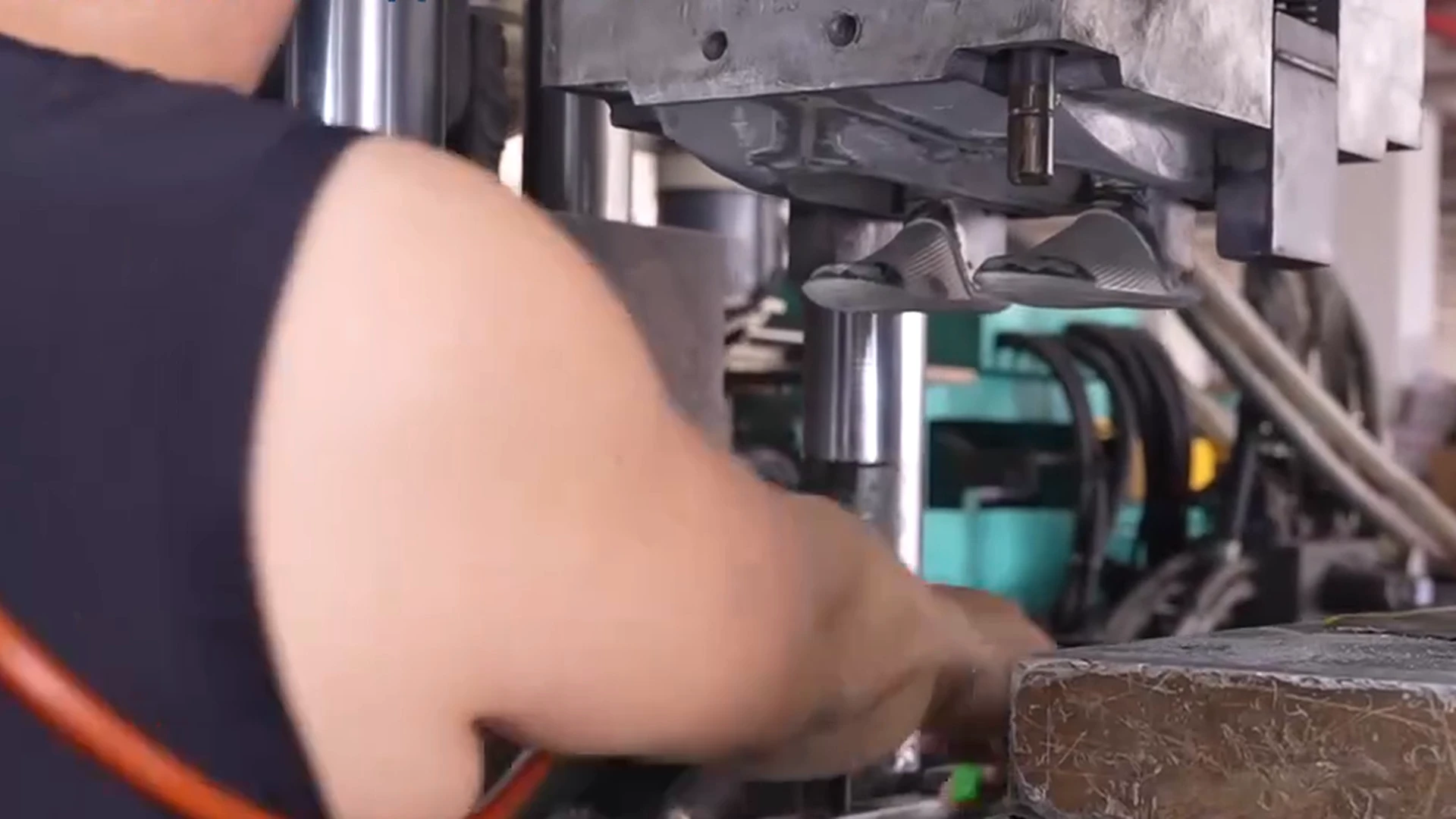
Define the scope of new tooling
A new-tool proposal should name the reference it develops and the work it covers. A drawing, 3D file or physical sample can start Suntop’s new-shape discussion; it is not proof that every development decision has been settled. Return an unclear scope before authorizing mold work. These warning signs risk the wrong developed shape or unquoted work:
- A shape specification with no controlling version: several images or sample comments can point to different shapes. Identify the current drawing or pair, mark the requested changes and any sole profile dimensions already available, and have the supplier acknowledge that version. Otherwise a completed tool may answer an earlier brief.
- Development work left unnamed: ask which drawing preparation, shape review, sample work and tooling work the proposal includes. Compare the reply with the actual files supplied. An omitted item remains an open quotation question, rather than work to assume is covered.
- No approval point before tooling: establish what the supplier will return for review and who can approve it. Keep unresolved construction or size questions visible until the proposed development basis has a written answer; do not turn a concept image into a production instruction.
Use views relevant to the sole and construction rather than sending an unrelated full shoe template. If the intended product belongs to a different construction in the Sandals range, identify that difference instead of carrying a slide reference into the new development brief.
Compare sample work and repeat-order terms
The sample approval and mold arrangement need separate written answers. A pair approved for appearance does not settle who holds the mold, how a later change will be handled or what another order will be quoted against.
Record the sample approval route
Put the physical pair identifier, specification revision, accepted features and unresolved comments in the approval record. If the returned pair and the proposed production reference identify different versions, pause approval and resolve that mismatch before proceeding. A changed upper or sole can leave an earlier approval incomplete. Have the supplier name the work awaiting a response, and record who accepts it before the next development stage. Keep the approved pair available for the later order comparison.
Confirm custody and responsibility terms
These statements do not supply a retention period, damage-liability agreement, repair price or transfer right. Put those questions to the supplier in writing where they matter to the order.
ITC Infotech’s sole mold management paper identifies size, type, location and condition as mold-record fields. Use those fields to identify what is being held; they do not establish the buyer’s legal rights. The About page supplies company context, while the project agreement needs the actual custody and responsibility reply.
Use a tooling route comparison record
Keep the tooling matrix beside the proposals, with each answer tied to its reference and quote revision. The record is useful when another person can see why a route was selected and which questions remain open, without interpreting a general “custom mold” label.
Mark confirmed charges and unresolved questions
For each route in the comparison above, enter the supplier’s actual response or mark the item awaiting a reply. A blank tooling entry is not a confirmed inclusion. Record the person responsible for the next answer and the proposal it affects, so purchasing does not treat a tentative discussion as an accepted scope.
Avoid treating mold reuse as an unchanged whole quotation
For a reorder, start from the previous mold reference and approved pair. Identify changes in material, colour, size mix, artwork and packing before comparing the returned proposal. Suntop’s same-mold condition addresses the repeat mold fee; the other current-order costs still belong in that order’s quotation.
If a revised proposal differs, ask the supplier to connect the changed charge or work to the changed request before approval. The Home page provides company context for colleagues reviewing a new supplier; retain the project-specific mold and quotation references in this comparison record.
Prepare the Next Supplier Discussion
A useful discussion resolves the open point in the tooling proposal. You can start with the reference you already have; a complete technical pack is optional at first contact. Send the available inputs and name the question that prevents you from selecting a route. The open requirements need a written supplier response: an unanswered tool match or development basis risks authorizing work against the wrong reference.
- Proposed tool match: send the buyer’s marked reference and intended sizes. The supplier should provide its offered mold identification and the differences requiring approval as the proof of the proposal being reviewed, so an appearance match does not silently become an accepted fit.
- Development response: provide the current drawing or pair, any available specification revision and the unresolved changes. The supplier should identify the work and approval evidence it proposes before the buyer authorizes tooling.
- Retained-tool reply: for a repeat order, provide the prior mold or approved sample reference and the changes for this order. Obtain the supplier’s availability and condition response and record the agreement still needed.
Use the Slides range to identify an appearance reference, and include the tooling comparison record in your RFQ (request for quotation). Request a quote for the identified route with development work, mold charges and the repeat-order condition shown separately; leave unanswered tool-match or approval items open for the supplier’s response.
In conclusion
When choosing between an existing mold and new tooling for slide sandals, verify the approved physical reference against the proposed route, specification and quote revision before order approval. A mismatch risks authorizing shape or development work that the buyer has not accepted; ask the supplier to resolve it in the current proposal. For a reorder, retain the previous mold and approved sample references, describe the changes, and confirm the same-mold fee condition separately from the other costs still quoted for this order.
Frequently Asked Questions
What changes can fit an existing mold?
Have the supplier assess the requested change against the identified tool and construction. List colour, logo, upper and shape changes separately. A statement that customization is available does not show that every change fits the offered mold; use a marked reference and the proposed sample to resolve the difference.
What inputs help review a new shape?
Suntop can begin the discussion from a drawing, 3D file or physical sample. Identify its version, the intended size range and the features you want changed. Missing details can remain questions for the discussion; agree the actual development basis before authorizing tooling.
Which tooling work should appear separately in the quote?
Ask the proposal to identify the development, sample and mold work it covers, including exclusions and work still awaiting confirmation. The supplier’s itemization determines the scope for that project. This guide supplies no standard tooling price or universal fee structure.
What repeat-order terms need agreement?
Identify the mold being held and the approved sample used for the next order. Confirm availability and condition, then resolve any needed retention, damage, maintenance or access terms in writing. Suntop’s repair-when-repairable statement does not establish who pays for damage or how long a mold is held.
Which costs remain even when the same mold is reused?
Suntop does not charge another mold fee for a repeat order using the same mold. Material, colour, size mix, artwork and packing changes still need to be described, and other costs remain subject to the current-order quotation. Do not copy an earlier total into the new order on the strength of the mold-fee condition.
RFQ handoff: Send the reference you have, intended size range, requested changes and the open tooling question. A complete tech pack is optional at first contact; ask which mold fit, development work and quoted-cost conditions need agreement before approval. Send Specs for Review.