
Preparing a Slide Sandal Specification for Brand Buyers
Prepare band references, logo position, colour information, sole shape and order quantities for a branded slide brief
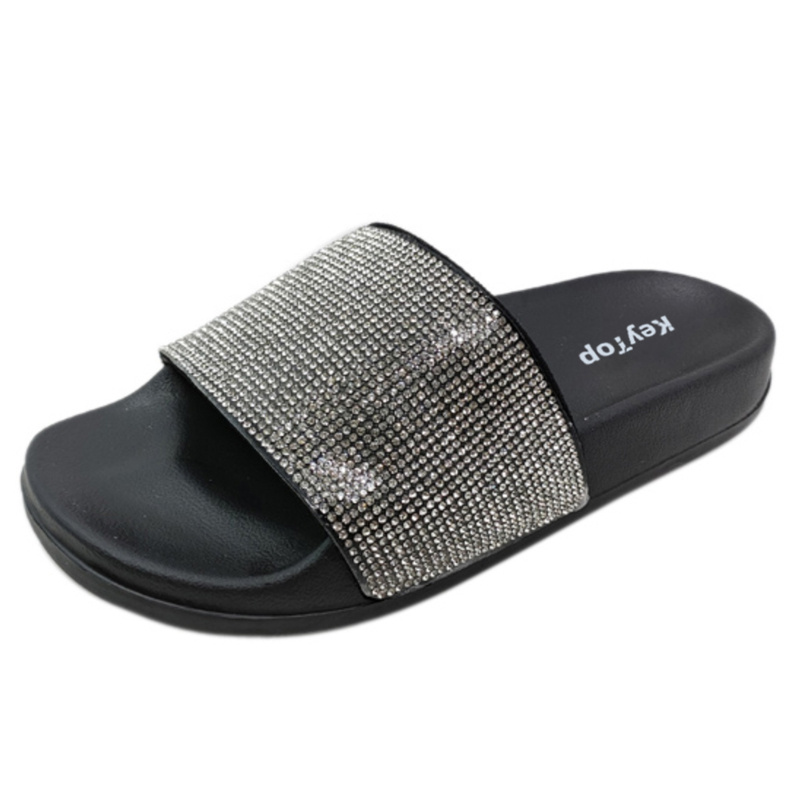
A slide sandal specification should identify the band, sole shape, size reference, artwork and packing requirements. Leave undecided details visibly open rather than allowing a photograph to stand in for a complete specification.
This worksheet helps buyers prepare a development brief that a supplier can review and use to define the next sample.
Direct answer: Start a slide sandal design brief with the band and sole references and artwork you already have. Mark missing measurements, colour or material choices and packing details as open. Ask the supplier to confirm the proposed method, shape suitability and quote scope, then approve the documented sample and order-specific terms before production.
Identify the slide sandal design reference
The buyer’s annotated slide reference should tell the supplier which band and sole details to keep. A photograph is an appearance starting point, not an approved specification. Mixing versions risks a sample built to the wrong shape.
- Mark the band shape. Attach a top view and point to the edges, coverage and opening you want retained. Mark where band width should be checked, leaving an unmeasured dimension open. Label a proposed change on a separate copy so the original remains recognizable. Have the supplier mark which outline it is proposing before that image becomes the sample instruction.
- Mark the sole profile. Add side and bottom views tied to the same reference code. Identify the silhouette or surface detail that matters. A similar side view can hide a different underside; obtain a proposed sole reference rather than assuming the whole design matches.
- Separate keep, change and open. Give each marked feature one of these statuses. Leave unmeasured details open and carry the supplier’s response into the next drawing revision for approval.
- Keep the commercial assumptions visible. Attach the proposed quantity for the quote. Leave MOQ, lead time and development cost subject to the supplier’s response in the order review; an appearance reference does not settle those terms.
CoDesign’s sandal development account distinguishes drawings from the work needed to produce wearable samples. Keep that distinction visible when accepting the reference for development.
Prepare artwork and placement information
Artwork content and placement scale are separate specifications. A clean logo file can still produce the wrong sample when the band drawing leaves its position open. The Shoemakers Academy specification-drawing guide includes logo art alongside component drawings; use that relationship to make the intended result reviewable.
| Requirement | Factory control | Evidence to verify | Order risk | RFQ follow-up |
|---|---|---|---|---|
| Available logo file | Agree which supplied version is usable; request an editable original if available. | File name, revision and a preview that matches the brand artwork. | Redrawing may alter lettering and create extra work. | Have the supplier identify any file conversion included in the quote. |
| Position on the band | Show the logo on the chosen band view, with orientation and measurement reference points. | A marked drawing that the buyer can compare with the sample. | A floating logo image leaves alignment open to interpretation. | Approve the marked placement before sample work. |
| Requested scale and method | State the intended width or proportions; leave feasible size and application method to review. | Supplier proposal and the physical sample, checked against that drawing. | An appealing screen mock-up may not represent the agreed production treatment. | Record revisions before accepting the sample. |
Use the Customization route to discuss the proposed treatment. No universal file extension or logo-size tolerance is assumed here; keep unresolved requirements visible until the supplier responds.
Product route
Browse the slide appearance references and identify the band or sole details you want to discuss. Dimensions, material composition, fit and mold suitability remain open until the supplier reviews your project.
Record colour and material decisions separately
A physical colour reference and a proposed material description answer different questions. A screen image can explain the look you want, but it does not identify the composition of the band or sole. Approving colour while composition stays open risks accepting a sample that the quote does not describe.
- “Which colour reference will the sample follow?” Provide the colour code and reference type you have, or label an attached swatch. Have the supplier identify the proposed match on the actual component material. Check that physical sample against the recorded swatch before approval; do not treat a screen preview as the finished colour standard.
- “What composition is proposed for each part?” Request separate descriptions for the band and sole, linked to the marked reference. A colour name is not a material specification. Keep an unresolved composition open in the quote instead of approving an unidentified substitute.
- “What changed between this sample and the previous proposal?” Review the dated colour/material record alongside the new sample. Document any change before the buyer accepts that revision for production.
For a strappy reference taken from Sandals, identify the particular detail being carried into the slide brief. The reference does not establish that either product uses the same compound or finish.
State sample and mold questions before accepting the scope
Treat an existing-shape proposal as provisional until the supplier identifies what can stay unchanged and what needs development review. Similar photographs do not establish shared tooling. The approval record needs to refer to the actual proposed route.
Identify the existing-shape assumption
Have the supplier name its proposed sole or band reference and the sample size used for the review. Check the offered sample against the marked views. Record any visible difference as accepted, rejected or still open; otherwise a familiar-looking shape can become an unapproved substitute during sampling.
Record which changes need development review
For each requested change, obtain a written response identifying the drawing or physical sample that will be reviewed next. If the supplier proposes a tooling change, the response should identify the affected part and the approval needed before that work begins. A revised outline should not inherit approval from an earlier mock-up without review.
The About page provides Suntop’s factory background. Attach the project-specific development response to this reference before authorizing sample work; keep unresolved mold feasibility and responsibilities visible.
Review the branded slide brief for quote readiness
Before requesting a quote, the brief needs a traceable reference, a proposed order split and a list of unresolved approvals. If you start from the product families on Suntop’s Home page, carry the chosen slide reference into the enquiry rather than sending a general footwear request.
- Save one dated brief with the marked band and sole views.
- Attach the requested colour and size allocation, clearly separating proposed figures from confirmed availability.
- Request a quote that separates pair price, sample or tooling work, packing and any delivery exclusions. Keep the open items beside the quoted scope.
List the quantity and size split
Label the size system, sample size and intended range; size labels alone do not establish an equivalent fit across systems. Show the requested pairs for each colour and size so a supplier can review the allocation. Suntop’s reference MOQ for slides is 2,000 pairs; the final order basis depends on style, material, colour, size ratio and packaging. Obtain confirmation for this proposed split before using the quote as an order budget.
Add packing, destination and approval questions
Identify the destination and proposed bag or box, labels and carton arrangement. Attach the buyer’s receiving requirements where available; do not assume carton capacity or a universal packing rule. Suntop’s bulk-production reference is about 35–60 days after specification, sample approval, material assumptions, packaging and the production slot are confirmed. Check the order-specific schedule against those dependencies: a desired arrival date is not the same as an agreed production lead time. Unresolved packing or approval work can leave two otherwise similar prices covering different orders.
Prepare the Next Supplier Discussion
A useful supplier response is a marked proposal tied to your current artwork revision and brief, with unresolved items identified. A general statement that a factory can make slides does not show how it interpreted your band, sole and approval requirements.
Read the response against the same reference revision you sent. The supplier should distinguish accepted inputs from a proposed alternative and explain what needs buyer approval before the sample starts. Where a detail is unclear, return the marked view with one focused question instead of circulating a fresh unlabelled image. This limits the risk of separate teams working from different instructions.
For the Suntop discussion, bring the current brief, the physical reference or sample photographs you have, and the most important unresolved development question. Ask the supplier to confirm that the returned sample plan names the revision being followed and the decision expected from you. Keep that written response with the later sample comments so acceptance can be traced back to the proposal.
In conclusion
The practical outcome of a slide sandal design brief is one dated specification packet: linked band and sole views, identifiable artwork, separate colour and material decisions, and a proposed order allocation. Its keep/change/open markings show where the supplier can respond and where the buyer still has a decision to make.
Use that packet to request a marked response before authorizing sample work. Check which revision the proposed sample follows and which unresolved items need approval. Keep the supplier’s reply beside the sample comments, so later changes remain traceable. This gives the next discussion a concrete starting point while keeping unconfirmed mold feasibility, SKU measurements and order-specific terms visible.
Frequently Asked Questions
Send the available reference and identify unresolved inputs clearly. Approval should apply to the documented version, with open sample or development questions kept visible.
Which artwork format should be discussed?
Discuss the editable original you have and the format the supplier can use for the proposed application. Attach a matching preview and identify the file revision. An image in a presentation does not establish that the production artwork is ready.
How should the logo position be marked?
Show it on the selected band view, including orientation, intended scale and measurement reference points. Check the returned drawing before sample approval. A separate floating logo leaves the placement uncertain.
What should a colour reference include?
Include the code and reference system you are using, or an identified physical swatch, and name the component it applies to. Review the sample on the proposed material; the reference alone does not establish finished colour acceptance.
How should band and sole changes be separated?
Mark them on separate views tied to the same style and revision. Have the supplier identify the development implications for each change. This reduces the risk of approving a revised sole while assuming the earlier band proposal still applies.
Which details may stay open at first enquiry?
Identify unresolved composition, application method, measurements or packing as open questions. Assign the decision needed before accepting the quote or sample. A first enquiry can describe what remains unknown without filling those gaps with guessed specifications.
RFQ handoff: Send your current slide reference and available artwork, with the size and colour allocation or packing information you have. Mark missing details as open so the supplier can respond on method, sample steps and quote scope. Send Specs for Review.