
Sourcing Sandals for Brands: Straps, Fit and Supplier Evaluation
Build a sandal sourcing brief around strap arrangement, fit references, intended market, samples and supplier evidence
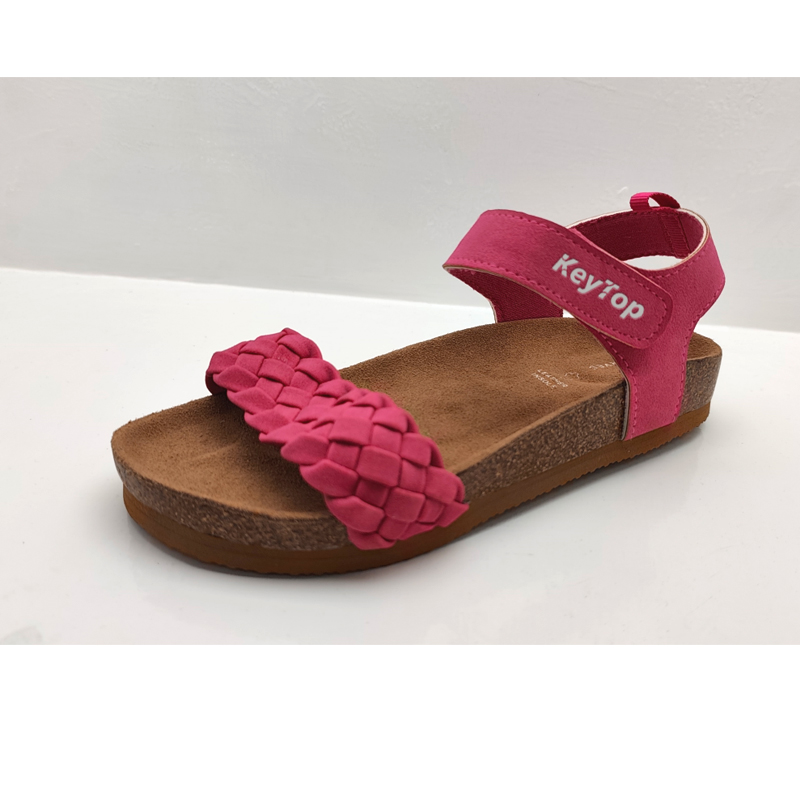
Sandal sourcing starts with the product reference, intended use, strap layout and size information. A picture can communicate a direction while leaving the construction and approval criteria undecided.
The planning worksheet turns those open points into a sample brief and a consistent set of questions for supplier discussions.
Direct answer: Begin sandal sourcing with an identified appearance reference, intended use and the size information you have. Compare the upper, closure and sole as one proposal, and name the fit or document questions still open. You can start an enquiry with missing details; agree the specific reference, sample and quotation scope before approving an order.
Choose an assembled sandal reference
Front coverage, heel coverage and closure layout give a sandal proposal a clearer identity than a style name alone. Compare those features on the assembled pair. A change to one strap belongs in that whole-pair reference; an unmarked edit risks a quotation for the wrong layout.
The Footwear Glossary distinguishes styles such as slides and slingbacks. Those names describe appearance, rather than confirming fit or materials.
| Reference option | Design brief it suits | Risk to avoid | What to compare | Supplier reply needed |
|---|---|---|---|---|
| Open-back band or crossed straps | A proposal without a rear strap | Quoting a different forefoot layout | Top and side views of the same pair | Identify the band position to sample |
| Rear-strap layout | A design specifying heel coverage | Assuming an unspecified closure adjusts | Rear view and marked closure detail | Describe what moves and what stays fixed |
| More covered front | A brief with a defined toe outline | Approving unseen front openings | Top, inside and outside views | Resolve missing views before quoting changes |
Send the marked layout and proposed edits for a sample quote. Have the supplier price that version; a cheaper alternative should be identified as a different proposal.
Define fit and sizing before relying on appearance
For a sample fit comparison, identify which pair, size label and measurement each comment describes. Keep the intended size range separate from the sample size. The shoe-size overview explains that sizing systems differ; a number alone leaves the measurement basis uncertain.
Use the comparison table to choose the next step. A photograph can start the layout discussion; when the sample size or range basis is missing, keep fit approval open and request the pair or measurement record needed for that decision. This avoids quoting a range on the assumption that one reference proves every size.
| Information available | Useful for | What it leaves open | Risk if used alone | Check before sampling |
|---|---|---|---|---|
| A physical reference pair | Showing the shape being discussed | Whether its fit suits your customer | Copying the wrong baseline | Identify the pair, marked size and proposed changes |
| An annotated dimension sheet | Locating a particular product measurement | Wearer fit and the remaining sizes | Measuring a different part | Name the unit and show endpoints on the drawing |
| A proposed size range | Defining the sizes under consideration | Approval of each size | Treating one sample as the whole range | Agree the sizing system and review scope |
Send available size information through Customization with the chosen reference. If a dimension is undecided, identify that field before the sample quote; don’t infer it from a photograph.
Product route
Browse the photographed sandal designs, then ask which construction, size and material details can be confirmed for your project.
Review upper and sole decisions together
A component list beside the assembled-pair drawing shows which upper, closure and sole belong to the proposal. Techpacker’s footwear specification guide uses both component identity and design views, so the proposed parts can be read against the assembled reference. Neither a detached strap photograph nor an outsole photograph explains their connection in the sandal you intend to buy.
Ask how the selected upper is attached
Number the strap attachment points on the drawing and ask the supplier to describe the proposed construction at those locations. Distinguish the strap-to-sole connection from the fastening that opens or adjusts the sandal. A reply about the buckle leaves the attachment question unanswered. Record a missing construction description as open, rather than assuming a method from the photograph.
Confirm the construction to be sampled
Before a sample instruction is accepted, match the upper, sole and closure identifiers to the same drawing revision. A substituted component creates a risk that the sample answers a different design question. Mark the substitution and obtain a revised drawing or written description for review. This is a document check; it does not establish attachment strength or a test result.
Suntop’s Home page introduces its product scope. Use the identified sandal proposal for the construction discussion.
Request evidence for the actual product and market
At the supplier-document discussion, the output should be a named evidence request for an identified sandal and destination. A general company certificate or a report for another product may leave your buying question unresolved. Keep that risk visible before treating the product as ready for approval.
State the destination requirement
Provide the intended market and the requirement supplied by your importer, retailer or qualified adviser. If applicability is undecided, retain that question for the responsible party. CPSC’s general-certificate guidance is conditional on the product and applicable rules; citing it does not establish that a particular sandal needs that certificate. This guide does not select a regulation or test for your product.
- Identify the assembled sandal and the property or document being discussed.
- Attach the customer’s requirement where available; label an unconfirmed requirement as open.
- For a supplied document, check which product it covers and whether that identity matches the proposed reference.
Distinguish a request from confirmed availability
Record three separate points: what you requested, what the supplier supplied, and what still needs review. An enquiry about a report does not mean a suitable report exists. When the covered product or applicability remains unclear, identify who needs to clarify it before marking the evidence request complete.
The About page provides company background. Keep product-specific evidence and unresolved applicability questions with the sample discussion, and obtain the missing reply before closing that item.
Prepare the sample and quotation handoff
An unclear quantity split can leave a sandal quote covering a different order from the one purchasing expects. The proposed sample, colour choices and packing should therefore travel with the quantity record. Keep estimated inputs visibly separate from accepted terms.
List the quantity and packing split
Suntop’s reference minimum order quantity (MOQ) for sandals is 2,000 pairs, with the final figure dependent on style, material, colour, size ratio and packaging. That reference does not allocate pairs among your proposed combinations. List the pairs for each style, colour and size, then show the intended pair presentation and carton assortment. Check that the subtotals match the proposed total before requesting the supplier’s quantity basis.
Carry open questions into the brief
Beside the chosen reference, name each undecided input and the reply needed: a material description, sample size, logo file, packing item or document question. The risk is treating a silence as an included feature. Compare the returned quotation with those entries and identify any exclusion or substituted option.
Choose an appearance reference from Sandals, then send the available information for discussion. A missing size or material decision can remain an explicit enquiry item.
Prepare the Next Supplier Discussion
Put the requested version beside the supplier’s reply and identify any alternative upper, closure or sole by name. A quote for a substituted component is a different proposal, even when the overall sandal looks similar. Keep the alternative visible instead of merging it into the requested design. The risk is approving a substitution against an outdated specification and paying for the wrong sample.
Where the reply is unclear, request a revised component drawing or a written note of the item still open. A new strap layout may answer the construction question while leaving the fit reference undecided; receiving a document does not close that fit question. Decide whether to revise the brief, request a sample of the alternative or leave it outside the shortlist.
Retain the current drawing and sample comments with that decision, as the cited technical-pack guidance recommends for version control. The next supplier reply can then be checked against the requested change before approving the sample or accepting the quote.
For sandal sourcing, use Products to align the product baseline, sample evidence, packing record, and quote owner before order release.
In conclusion
Sandal sourcing can begin with one preferred appearance reference and the questions you still need answered. Use the fit-reference and construction comparisons to choose which proposal deserves sample work. Keep unconfirmed document availability separate from product approval; a requested report is still an open item until its relevance has been reviewed.
Send the reference and known order inputs first. After the supplier responds, agree the component specification to be sampled or quoted and identify which unresolved point prevents approval. This preserves the distinction between starting a useful discussion and committing to a defined order.
Frequently Asked Questions
The reference pair links the construction, fit and evidence questions below. An answer for another sandal leaves a gap in this proposal.
What construction details belong in a sandal brief?
Include identified upper, sole and closure components with views showing their locations. Where attachment is undecided, mark that point for a supplier description. Material names should come from the proposed specification rather than an image. Check that the component list and drawing describe the same revision before sampling.
Why should straps and the sole be reviewed together?
The location of a strap belongs to the assembled design. Reviewing it without the sole reference may leave its intended position unclear. Compare the joined layout in the same views, with proposed changes marked. This visual comparison is separate from evidence about attachment strength.
What fit reference should a buyer provide?
Provide the pair or drawing being used as the baseline, its marked sample size, the named sizing system and the proposed range. An annotated measurement should identify the object and endpoints. These records clarify the request; they do not show that every proposed size fits the intended customer.
Which supplier evidence should be requested?
Request evidence that answers a named question about the selected product. For an available document, match its covered product to your reference and identify what remains outside its scope. A broad company document should not close an unanswered product-level evidence request.
When should destination requirements be raised?
Raise known requirements during the initial product discussion, with the destination and customer wording attached. Leave uncertain applicability for the importer or qualified adviser to resolve. This avoids approving a sandal proposal while assuming that unspecified documents are available or sufficient.
RFQ handoff: Send the preferred sandal reference, available size and colour quantities, packing ideas and unresolved questions. Suntop can discuss the proposed sample and quotation scope; details that are not yet decided can remain open in the first enquiry. Send Specs for Review.