
Sandal Sourcing Mistakes: Leaving Fit or Destination Requirements Until After the Quote
Sandal Sourcing Mistakes: Identify late fit, attachment, document, packing and schedule decisions that should be raised before order confirmation.
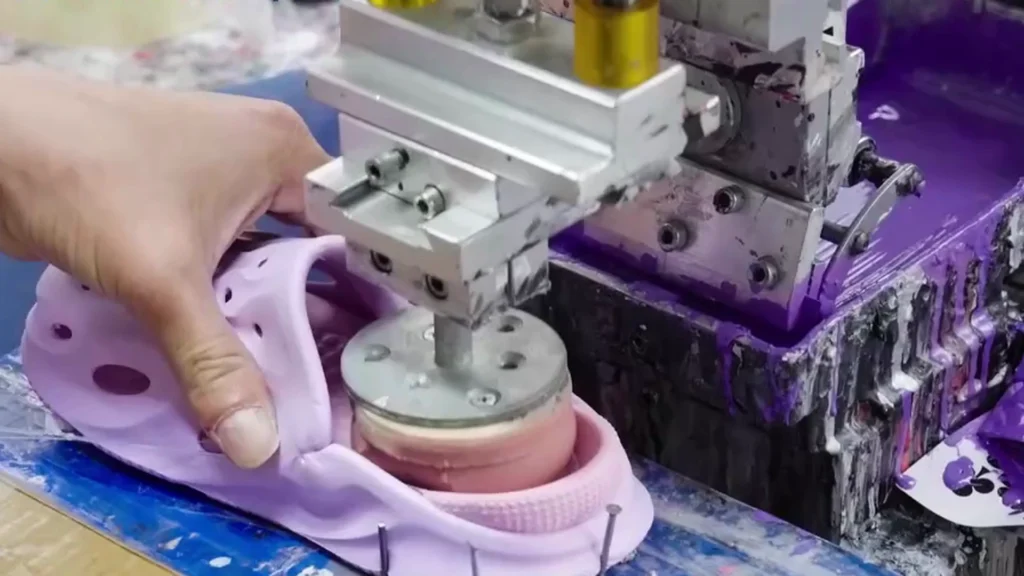
Sandal sourcing mistakes often begin with details that appear clear in a photograph but remain undefined in the development brief. Strap placement, size references and packing assumptions need to be agreed explicitly.
These checks show where to pause, clarify a requirement and update the sample record before approving the order scope.
Direct answer: Check whether your sandal quote names the fit reference, strap-to-sole connection, product-and-destination document scope, packing inclusions and approval dependencies. You can enquire with open details; close the relevant gaps before approving the sample or committing the order.
Leaving the fit reference until after the quote
A named reference pair and a dated sample comment sheet give the request for quotation (RFQ) a clearer basis than a size label alone. Without them, a buyer may compare prices for different fit expectations and discover the mismatch only when the sample arrives.
The footwear sample-review toolkit places the current specification and approved references alongside the physical sample. Use that distinction to separate the intended size range from the particular pair being assessed.
- Which reference is being quoted? Identify the physical pair or drawing revision and record any intended differences. Check the reference ID on the image against the supplier reply. This helps prevent the wrong baseline entering sample development; attach it before accepting the quotation scope.
- What does the proposed size mean? Name the size system, chosen sample size and measurement locations in the reply. Different assumptions can make quotations look comparable while describing different pairs; resolve the reference before price comparison.
- What will the assembled sample establish? List the fit questions still open and who will assess the pair against the agreed reference. A photograph does not settle those questions. Record comments against the sample identity, then decide which changes require another approval round.
Keep unresolved fit points visible in the supplier’s response. An indicative price can start a discussion, but it should state which reference and open assumptions it covers.
Discussing straps without their sole attachment
Assess a strap change on the assembled sandal. Looking only at the upper can leave its connection to the sole outside the approval discussion, even when the revised pair looks close to the reference.
IS 6721:2023 describes assembled upper and bottom components. That structural distinction is useful here; it does not establish that a particular product meets the standard or that the standard applies to its destination.
- Consider a hypothetical reply showing a revised strap on the earlier sole attachment. The mismatch is a symptom of an unaligned sample revision, not evidence of a failed bond. Check the marked connection against the current specification and sample ID. Use that comparison as a production approval gate: request a corrected view and keep approval of the changed assembly open. Approving the earlier pair creates a risk of rework and a revised quotation. No attachment-strength result follows from this visual check.
- The supplier reply describes the upper but omits the joint: the change record is incomplete. Check which connection detail remains unchanged and which needs review on the next assembled sample. Keep that approval open rather than assuming the new strap has been accepted.
Include the marked connection question in the Customization discussion.
Product route
Browse the sandal images as appearance references. Send your chosen reference and the open fit, construction or packing questions for discussion; model specifications need confirmation.
Treating a document request as confirmed evidence
A requested document, a received record and evidence matched to the proposed sandal have different status. Treating them as interchangeable can turn an open verification task into an assumed approval and put the promised delivery date at risk.
| Open issue | When to resolve it | Commercial exposure | Record to check | Decision |
|---|---|---|---|---|
| Product or destination unnamed | Before fixing order scope | Wrong requirements discussed | Exact reference, intended user/use and market | Assign applicability review |
| Document requested only | Before approval relies on it | Unconfirmed evidence blocks release | Actual document and responsible issuer | Keep factory approval open |
| Record covers another construction | Before sample sign-off | Rework cost and a changed date | Covered product against the proposed revision | Clarify the mismatch with the issuer |
CPSC’s conditional US GCC guidance illustrates matching a certificate to its covered product. It does not establish that these sandals require a GCC or possess one. Select an identifiable reference from Products, then obtain product-and-market-specific advice before relying on a document.
Omitting packing and inspection questions from the commercial scope
A packing instruction left outside the quotation can become an unresolved order specification. Keep the retail presentation and the planned inspection questions visible together so an approved pair is not mistaken for an approved shipment pack.
State the retail and carton needs
Describe the proposed unit pack, label artwork revision, size-and-colour assortment and carton identification. Compare the proposed layout with the buyer’s receiving instructions; a mismatch can mean relabelling or repacking. Named retailers may use different pack formats, so a published buyer manual is a field example rather than a universal packing rule. Return the corrected layout for approval.
Identify the checks required by the programme
Write down the proposed inspection checkpoint, the items to check and who accepts the resulting record. Keep visual workmanship and packing review distinct from any separately requested testing. The factory reply should identify unresolved checks rather than imply they have happened. Company background on About helps establish who you are discussing the order with; it does not establish a model-level inspection result.
Relying on a date before its dependencies are settled
A dated sample approval record should show which sample decisions are complete and which still need a reply. A requested delivery date on its own leaves those dependencies hidden. The risk is a production release against incomplete approval, while the quote still reflects earlier assumptions. Use the following distinctions before treating an order as ready for release.
Separate sampling from the bulk window
Identify whether the request concerns a development sample, a revised sample or bulk pairs. Put the order quantity beside the selected reference so it is not confused with the sample request. A sample under discussion is not evidence that production approval has been given; compare its status with the buyer’s actual release instruction.
Record the approval and packing dependencies
The reference revision, unresolved sample comments and packing-artwork approval should each have an owner and recorded status. If one changes, ask which approval needs reopening before accepting the proposed delivery date. Retain the factory’s reply with the order record. The Home page introduces Suntop’s product scope; the dependency record is what makes this particular sandal enquiry specific.
Prepare the Next Supplier Discussion
The supplier’s written response is useful when it connects each open decision to an identifiable record. Bring the reference and the marked issues together; a general statement about factory capability does not settle the proposed order.
- A reply says everything is confirmed without naming the reviewed sample. The approval baseline remains unclear, creating a risk that the wrong revision is used. Compare the reply with the sample ID and ask for a corrected reference before acceptance.
- A changed component receives no specific response. The supplier may be answering the earlier proposal rather than the marked change. Check the revision list against its comments and return the unanswered item for an explicit sample-review decision.
- A requested document has no responsible contact or status. An open evidence task can disappear from the handoff. Record who will supply or assess it and which approval depends on the reply; keep that item open until the record is reviewed.
Discuss the unresolved items in priority order. Ask the supplier to distinguish its proposed response from what has actually been approved, then retain the dated reply.
In conclusion
A sandal sourcing review should leave fewer order assumptions: an identifiable fit reference and specification, an assembled connection to review, documents with a known status, a stated packing scope and visible approval dependencies.
Bring the unresolved items together instead of treating a supplier photograph or a requested record as completed evidence. Each item needs a responsible person and a clear decision about what can proceed. A supplier reply can then address the actual gap rather than repeat a general assurance.
You can start the enquiry with the information already available. Mark the missing details openly, retain the response and check the affected approvals before committing the order.
Frequently Asked Questions
Why should fit be agreed before accepting the quote?
The quote needs a defined fit reference, even if some sample decisions remain open. Identify the chosen size system, reference pair and intended sample assessment. The risk is a supplier pricing one interpretation while the buyer approves another; record the unresolved point beside the reference.
What destination information should accompany an RFQ?
Name the destination country, intended user group and intended use. These inputs help the responsible parties check which requirements may apply. A request for documents does not settle applicability or prove a sandal has passed testing; obtain advice tied to the identified product and market.
Can a supplier photo replace a specification?
A photo helps locate the style, but it leaves component identity and measurement locations unclear. Use labelled views and a revision reference alongside the written details. Mark anything still undecided so appearance approval is not treated as acceptance of an undefined assembled pair.
When should packing and document costs be discussed?
Discuss them while the commercial scope is being prepared, before accepting a final quotation. Identify the unit pack, carton allocation, requested review or document and what is included or excluded. Where a charge is unresolved, keep it visible instead of assuming the quoted pair price covers it.
How should open decisions be assigned before ordering?
Give each unresolved point a named owner, the evidence needed and the approval it affects. A dated supplier reply should state what has been agreed and what remains open. Recheck the list against the current sample revision before the buyer issues the order-release instruction.
RFQ handoff: Send the reference you have, the intended destination and the decisions still open. You can start with partial information; the team can discuss what needs resolving before sample or order approval. Send Specs for Review.