
How to Prepare a Sandal Tech Pack for Brand Buyers
Sandal tech pack: Prepare reference pairs, size and measurement information, annotated strap layouts and open questions for a sandal sample brief
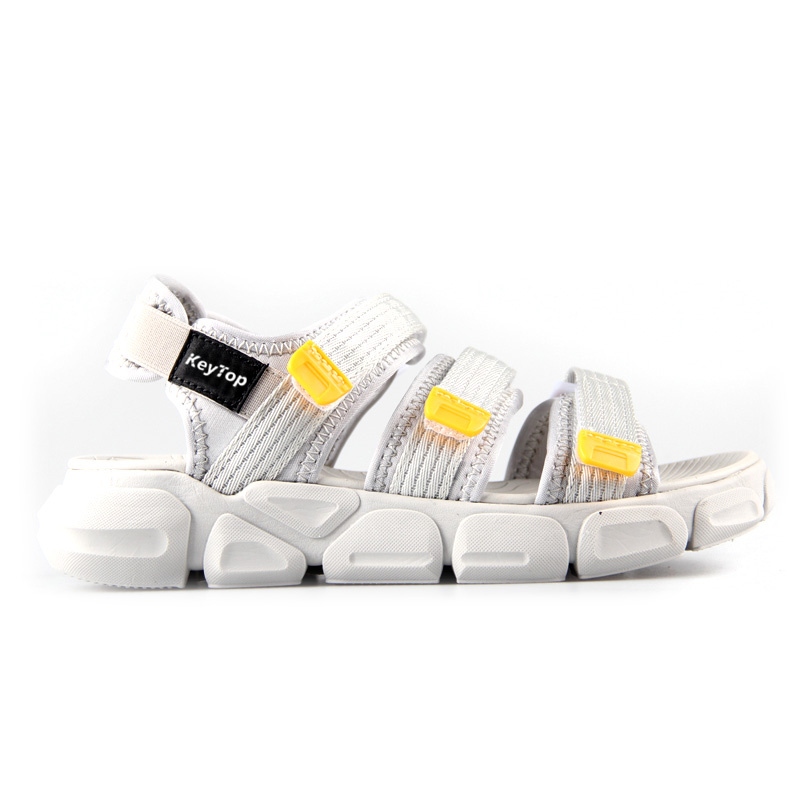
A sandal tech pack needs an identifiable reference, annotated strap layout and clear size information. A size label alone does not establish the measurements or fit reference that the supplier should develop against.
Use this input worksheet to record drawings, reference pairs, agreed measurements and unanswered development questions before requesting a sample.
Direct answer: A sandal tech pack brings style views, the size range and measuring basis, component materials, packing and order quantities into one versioned record. Mark undecided inputs as open and send the available reference files for a feasibility discussion; the supplier must confirm the specification and quotation basis before those details become an order commitment.
Start the sandal pack with an identifiable reference
A labelled reference pair or drawing gives the sample maker something definite to work from. Choose the design version first, then separate the features to keep from those to change. Mixing versions risks a sample built to superseded details.
- Reference identity: Add a style name, file date and photo of the physical pair or drawing. Without an identifier, comments may attach to an older design. Ask which reference will be used, then put that identifier on the sample request.
- Views and limits: Include top, side and sole views. Mark hidden details as unresolved rather than guessing their construction; send a close-up or physical reference where the images leave a gap.
- Changes from the reference: Mark the parts to retain and the proposed changes on the same version. Have the supplier separate development questions from the features already agreed before discussing cost or timing.
- Quantity against the reference: Add your intended order quantity. Ask which minimum order applies to that design, then include the intended quantity and the supplier’s answer in the quote request.
Shoemakers Academy’s specification-drawing guide describes how drawings, photographs, material swatches and sample shoes can work together. For this pack, identify which reference governs each detail when those items differ.
Annotate straps and closure positions
Strap coverage, attachment points and adjustment positions describe different parts of the design. Show each on the drawing; a closure name alone leaves its location and intended movement unclear. The table below separates the proposed specification from the evidence needed before sample approval.
| Requirement | Factory control | Evidence to verify | Order risk | RFQ follow-up |
|---|---|---|---|---|
| Front and heel coverage | Supplier marks proposed strap edges and attachment points. | Compare annotated top and side views with the reference. | Sample proportions differ from the intended coverage. | Return the marked drawing before sampling. |
| Closure and adjustment | Identify the fastening type, position and intended adjustment. | Trace the fastening path on the drawing; evaluate movement on the assembled sample. | A visually similar closure does not provide the intended adjustment. | List the fit questions still open. |
| Concealed attachment | Separate a proposed connection from an agreed construction. | Review a detail drawing or supplier explanation. | An unseen detail becomes an unapproved assumption. | Resolve the construction before approving it. |
Techpacker’s footwear guide shows how views and measurement callouts communicate design details. Leave unagreed dimensions open rather than importing a generic tolerance. For upper changes or branding development, carry those annotations into Suntop’s Customization discussion.
Product route
Use the related product or solution page to confirm fit, available options, and the RFQ path before asking for a quote.
Separate the size range from the fit reference
The sample-size record and a clearly identified fit reference make a sizing discussion useful. List the intended selling range separately. A size label without a measurement basis risks a sample that carries the expected label but has not been assessed against the intended fit.
- Which size is being sampled? Name the sample size and market labelling system alongside the proposed range. Have the supplier return that mapping before work starts, so a label conversion does not become an assumption.
- What demonstrates the intended fit? Identify the reference pair and relevant wearer measurements. Keep those records with the assembled sample comments; a photograph provides appearance evidence, not a fit decision.
- What exactly is being measured? Ask for a marked image naming the object, start and end points, and unit. Footbed and outsole dimensions are different records; resolve an ambiguous label before comparing figures.
- How will the remaining sizes be reviewed? Ask the manufacturer which size-set evidence it can provide. Record the agreed approach before treating a sample-size approval as approval of the entire range.
The Products pages offer appearance references. Keep the project’s agreed size and fit documents alongside the selected style.
List material, colour and quantity questions
Record a component as agreed only when its material and colour reference are identifiable. Keep proposals and undecided details visibly separate; a broad description such as “black strap” risks a sample made with the wrong material or finish.
Name the proposed components
Use a component list for the upper, footbed, outsole, closure and branding. Give each entry its location and proposed material, then attach a swatch reference, colour code or labelled image where available.
- Separate a preferred material from a substitute the supplier has proposed; mark who needs to approve the change.
- Record finish and colour against the relevant part. Compare physical references during sample review rather than treating a screen image as an approved match.
Suntop’s company information lists EVA, PVC, TPR, PU and rubber across its range. That list does not identify the compound in an individual product photograph; the About page provides the factory context.
Record pairs per size and colour
List the intended pairs for each size and colour combination, then check their sum against the proposed order total. Mark estimates as estimates so an undecided assortment does not read as a fixed instruction.
Suntop’s reference minimum order is 2,000 pairs, with the final quantity depending on style, material, colour, size ratio and packaging. For the quote, include that quantity split as an RFQ input and ask for the currency, price per pair and included packing. Otherwise, differently scoped offers are hard to compare.
Review the pack before requesting a sample
An open-items log makes the handoff reviewable: record the unanswered question, the affected part, who will answer and what evidence will close it. Without that link, a sample may be approved against assumptions that the buyer never intended.
Identify missing specifications
Read the drawings beside the component list and size information. A blank material field, an unnamed reference pair or a closure shown differently in separate views deserves a specific entry. Write the gap plainly and distinguish an estimate from an agreed requirement. The purpose is to expose decisions, not to fill empty cells with plausible figures.
Assign the questions that need supplier confirmation
Separate a design choice the brand must make from a construction proposal the supplier must explain. For each open item, record the responsible role and the expected reply: a marked drawing, a material reference or an assembled-sample observation. Close it only when the answer is linked to the current version. An email saying “approved” without identifying the referenced detail leaves a risk of conflicting instructions.
Suntop’s Home page introduces the factory’s product focus. Use the pack itself to record the decisions specific to your sandal project.
Prepare the Next Supplier Discussion
A broad manufacturing assurance leaves unclear which sandal details the supplier has actually reviewed. The risk is treating a general response as agreement on the project. A useful reply identifies the submitted design, explains unresolved construction and states what is needed for the next sample decision.
Send the current pack with its reference images and open-items log. Include the intended market, estimated quantity and any packaging requirements already known. State whether the immediate aim is an initial feasibility discussion, a quotation or a sample request; those calls require different levels of detail.
Compare the supplier’s response with the question list. Look for an explanation of the proposed construction, material references still needed and the evidence the supplier can provide during sampling. A reply that overlooks an unresolved attachment or fit question needs clarification before it becomes the basis for approval.
Save the marked-up response beside the submitted version. Record which points are accepted, which remain proposals and who owns the remaining decisions. That readback gives the buyer and sample maker a shared starting point without presenting an unfinished design as a completed specification.
In conclusion
A usable sandal pack makes the next decision visible: what the reference establishes, which details are proposed and what still needs an answer. The reference checklist, annotation table and open-items record give the supplier a clearer basis for discussion while keeping sample approval separate from unfinished design choices.
Send the current version with the relevant reference files and the outstanding questions. Ask the factory to identify the material or construction decisions needed before a quote or sample can be agreed. Keep that reply with the pack so the following review starts from the same record.
Publisher: Suntop Shoes. This guide uses public footwear-development tutorials and Suntop’s supplied company information; it reports no model testing or fit validation. For corrections, identify the relevant passage and supporting document when contacting Suntop.
Frequently Asked Questions
What should a sandal tech pack contain?
Include an identifiable reference, annotated views, proposed components and colours, the intended size range, a sample-size and fit reference, and open questions. Label the current version and distinguish agreed inputs from proposals before sending it for a quote or sample.
How should the fit reference be documented?
Identify the physical reference and record the sample size, relevant wearer measurements and the observations to assess on an assembled sandal. Attach labelled photographs where useful. Appearance images alone do not establish how that sample fits the intended wearer.
How should straps and closures be annotated?
Mark the strap edges, attachment locations, fastening position and intended adjustment on matching views. Give small or hidden connections a detail callout. Keep an unresolved construction visibly open until the supplier returns a drawing or sample that can be assessed.
Is a size label sufficient for manufacturing?
No. A size label names the intended size, while the specification still needs an agreed measuring basis and sample reference. Identify the measured part, endpoints and unit. Review the wider size range separately instead of assuming that one approved sample settles it.
Which undecided details should remain marked as open?
Keep unselected materials, unknown dimensions, unagreed tolerances, unresolved closure details and estimated quantities marked as open. Give each a responsible decision-maker and the evidence needed to settle it. Filling a gap with an unsupported figure risks turning an assumption into a production instruction.
RFQ handoff: Review Suntop's sandals range alongside your sandal tech-pack input worksheet. Send the reference style, size and colour quantities, packing plan and unresolved questions through the enquiry form so the team can confirm the project scope. Send Specs for Review.